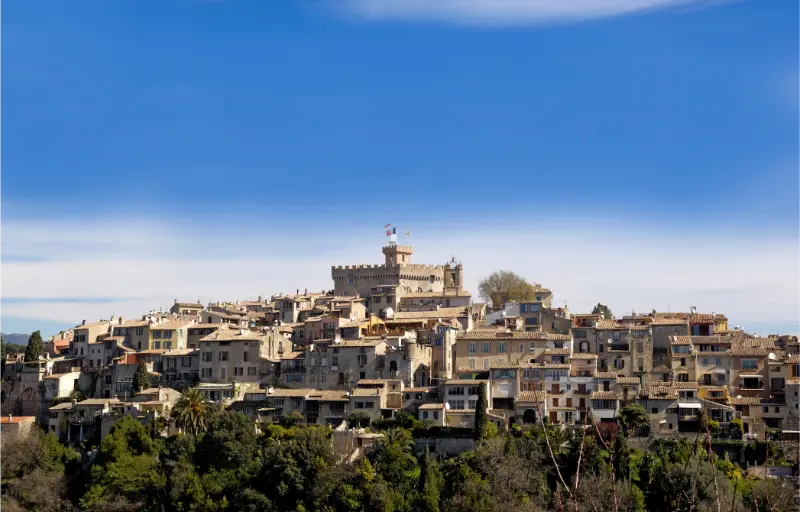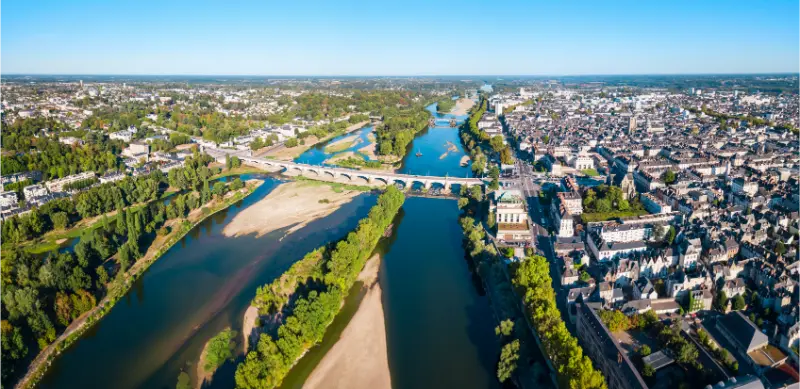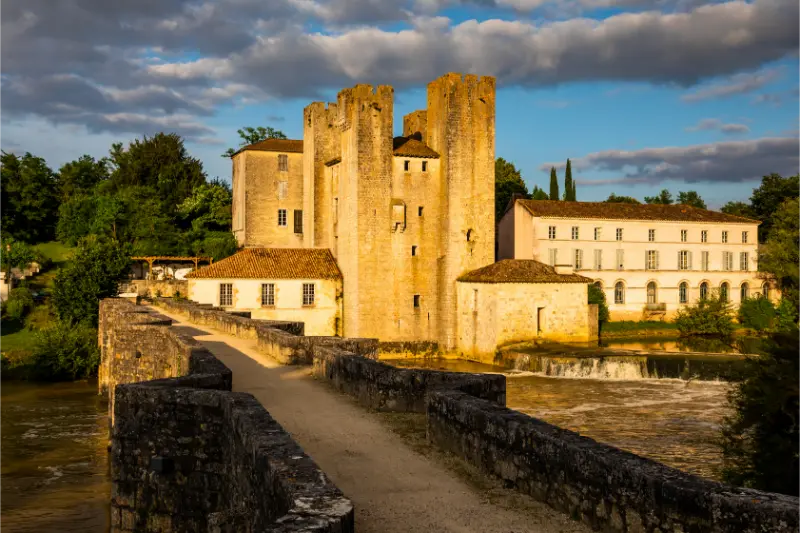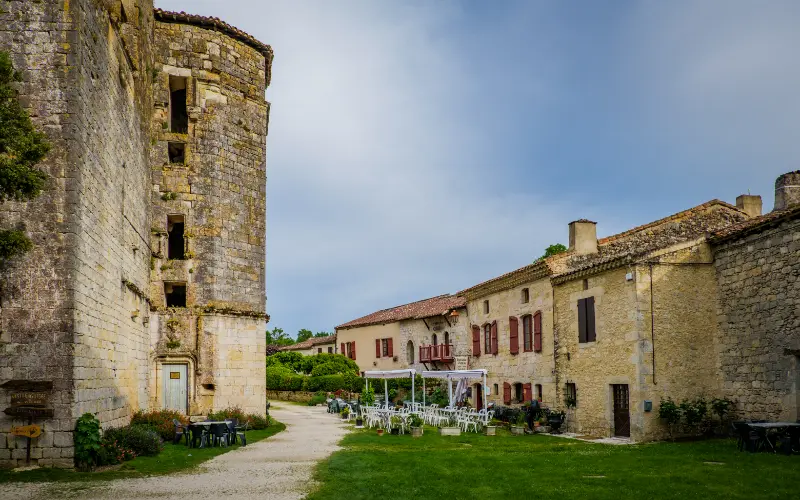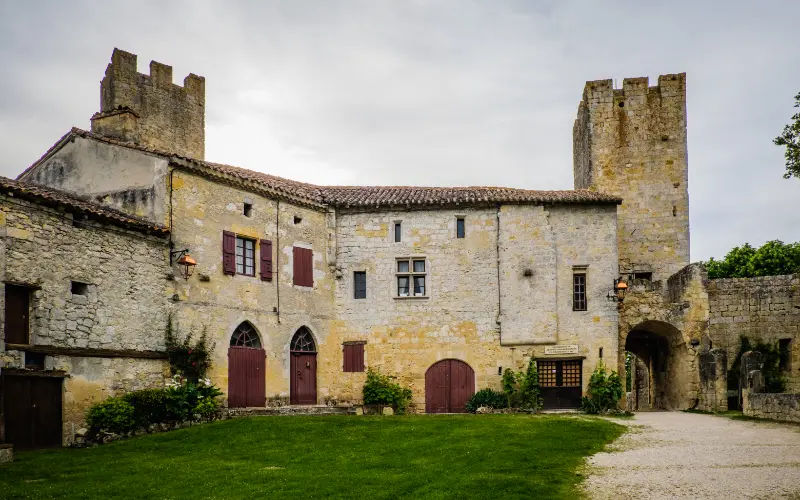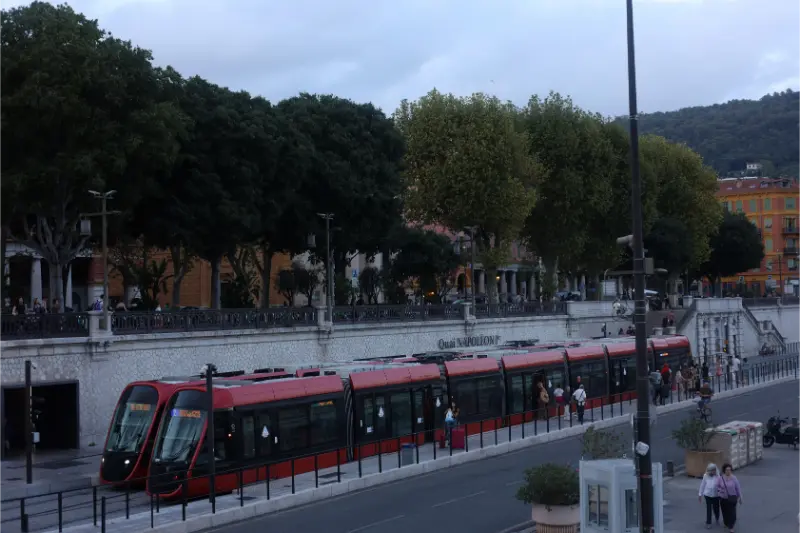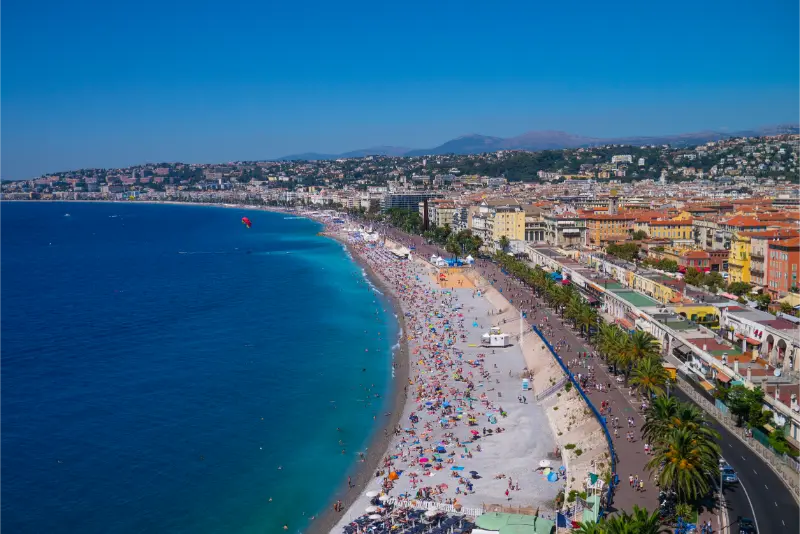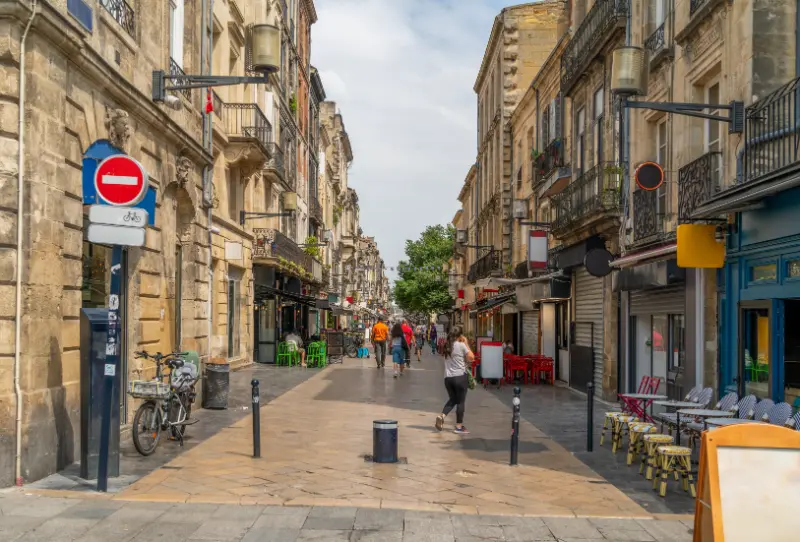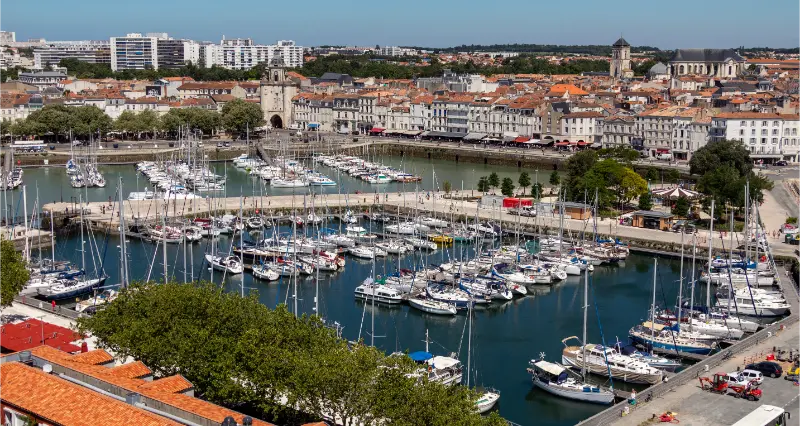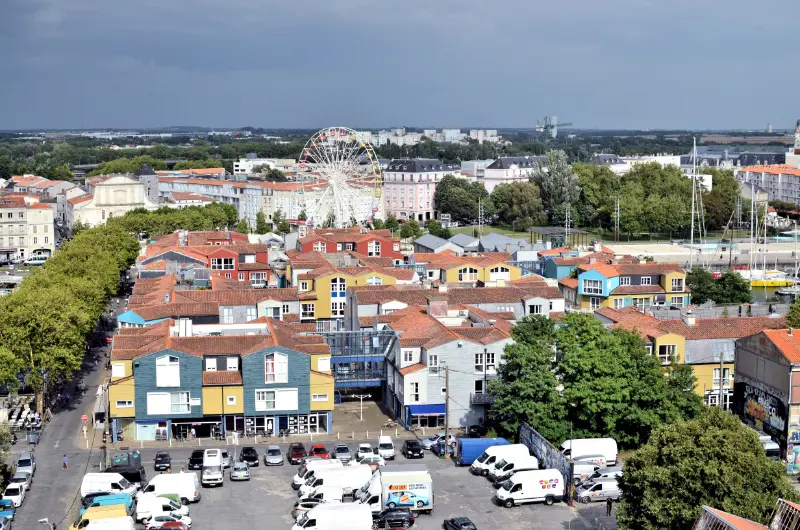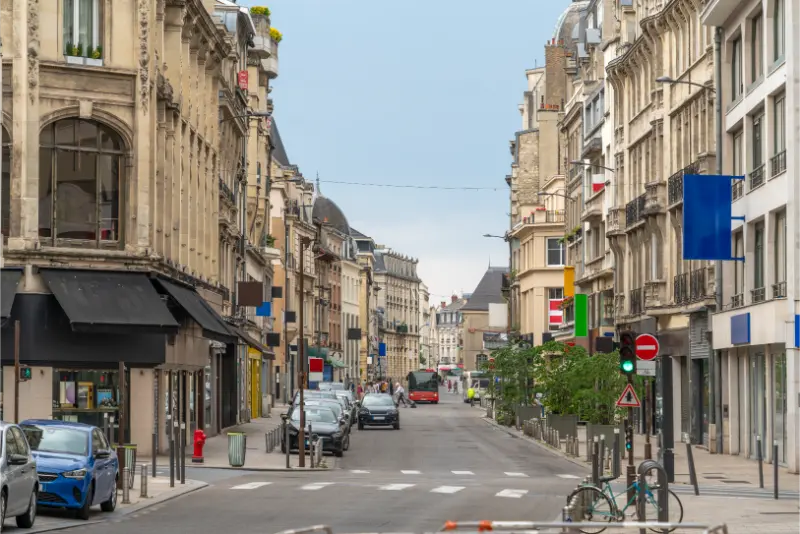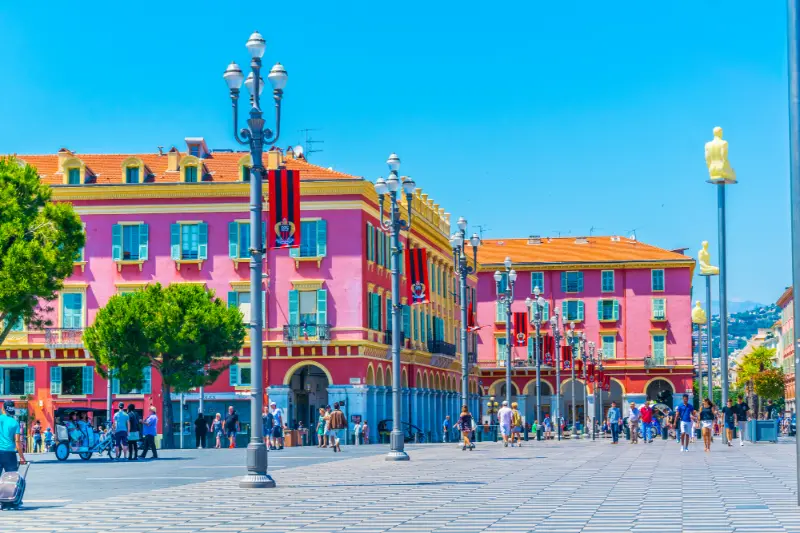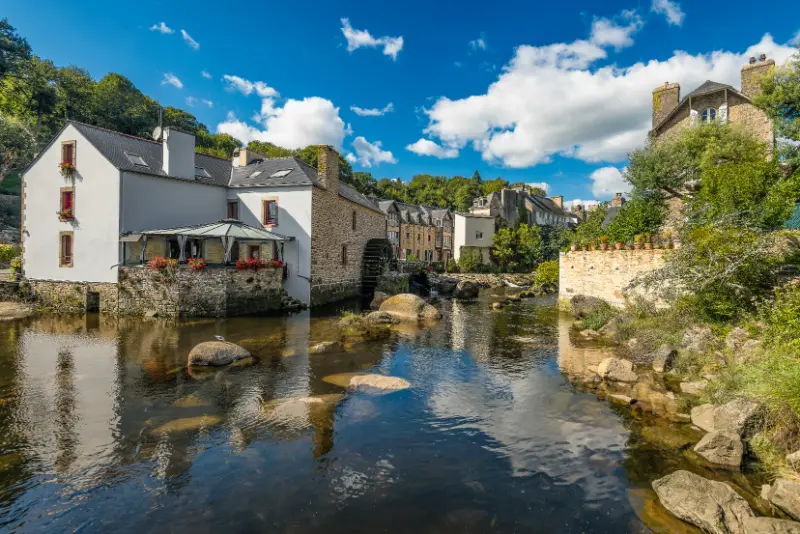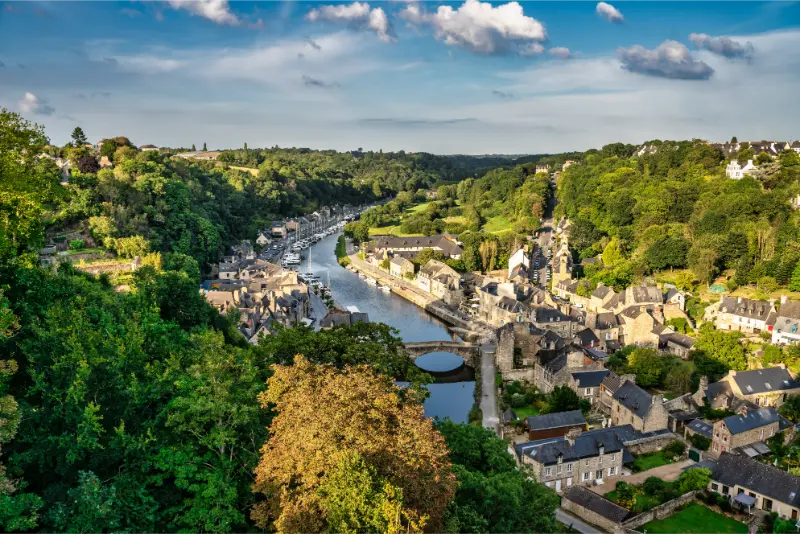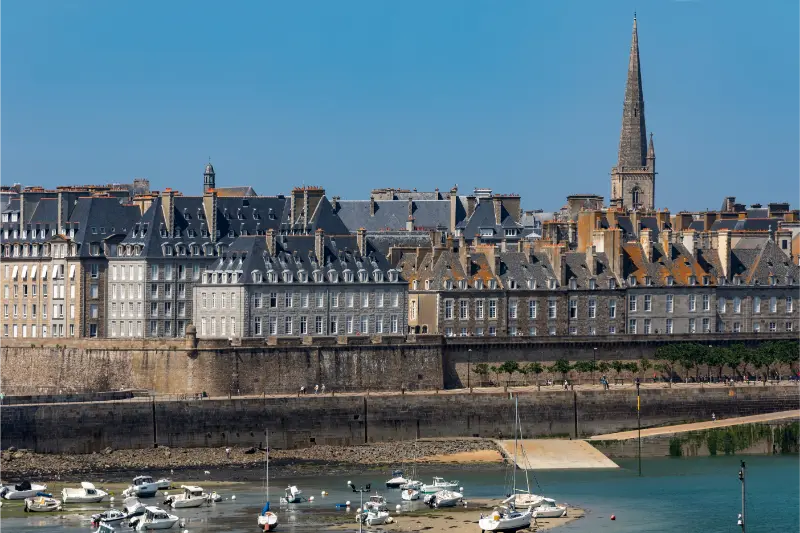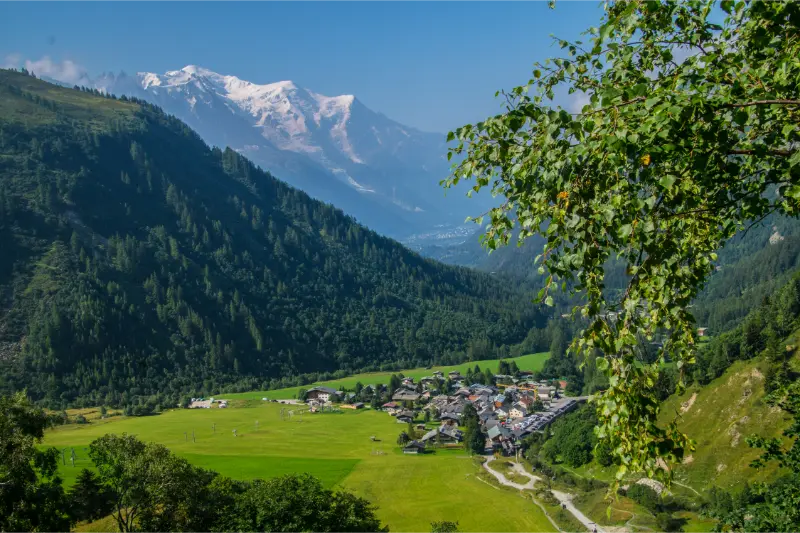
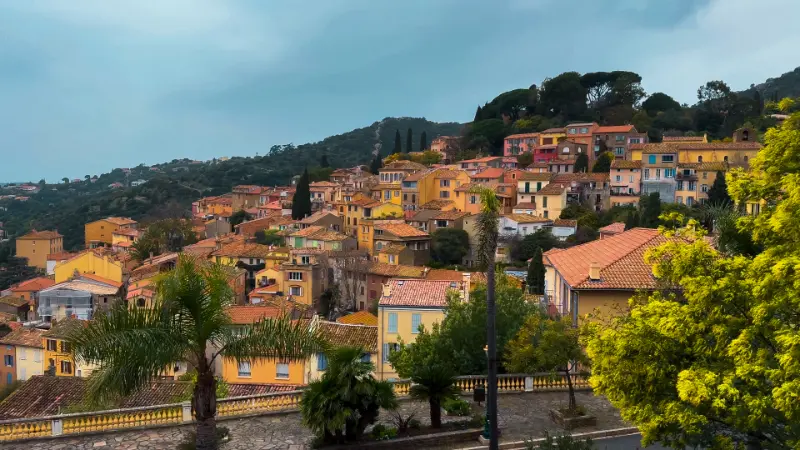
Driving in France can transform a rural itinerary, but it can also make a city trip slower and more expensive. A car is genuinely useful for the Luberon, Dordogne, Brittany’s smaller coastal communities, Burgundy vineyards and mountain valleys. It is usually a burden in central Paris, Lyon, Strasbourg, Bordeaux or Nice.
This guide begins with the decision that matters most: whether to rent at all. It then covers licences, insurance, tolls, environmental zones, parking, fuel and safer route design. Regulations and access schemes can change, so official checks shortly before departure remain part of the plan rather than an optional final detail.
Quick planning overview
| Best use | Rural regions and multi-stop countryside routes |
| Avoid a car | Central Paris and well-connected city breaks |
| Reserve | Automatic transmission and child seats early |
| Check | Licence, insurance, Crit’Air and local parking rules |
| Planning rule | Collect after the city; return before the next one |
What travellers need to understand before driving
Licence and rental documents
Drivers need a valid licence accepted for the trip, identification, the rental agreement and the documents supplied with the vehicle. Requirements can depend on licence country, format and length of stay.
My practical advice: Check the French government and rental company’s written requirements before payment. Do not rely on a forum answer about an international permit.
Motorways and tolls
Many autoroutes use toll systems, while national and departmental roads offer slower alternatives. The fastest route can be worthwhile on a transfer day but unnecessary when the landscape is the purpose.
My practical advice: Compare total time, tolls and fuel before avoiding a motorway. Keep a working payment method accessible and follow the lane symbols at toll points.
Low-emission zones and Crit’Air
Environmental rules affect a growing number of urban areas and can include permanent or temporary restrictions. A Crit’Air sticker classifies eligible vehicles, but possession of a sticker does not guarantee access during every restriction.
My practical advice: Use the official Crit’Air service and check each city’s current rules. Never buy through a high-priced unofficial intermediary.
Parking without surprises
Historic centres often use pedestrian zones, resident restrictions, height-limited garages and paid street parking. A hotel listed as having parking may mean a public garage several streets away.
My practical advice: Ask for the exact garage address, maximum height, reservation method and overnight price before arrival.
Fuel and charging
Fuel stations are common on major routes, but rural opening hours and unattended payment systems can cause problems. Electric charging requires a route that considers network, compatibility and accommodation access.
My practical advice: Refuel before remote mountain or Sunday travel. For an electric rental, ask which cable and payment options are supplied.
Road safety and realistic days
Speed limits, alcohol rules, weather and fatigue matter more than covering a planned distance. Mountain roads, village lanes and holiday traffic can turn a short map line into a demanding day.
My practical advice: Share driving when possible, schedule breaks and treat the driver as a traveller rather than a transport service for everyone else.
A sensible rental-car strategy
Start car-free
Spend city days on foot and public transport, then collect the car from a station or outer branch when leaving.
Choose the smallest practical vehicle
A compact car is easier in garages and villages; balance this against passengers, child seats and luggage.
Photograph the vehicle
Record every side, wheels, windscreen, fuel or charge level and dashboard at collection and return.
Plan one rural zone at a time
Use two- or three-night bases instead of driving between distant highlights every morning.
Where to stay
Accommodation determines whether a road trip feels easy. A central old-town hotel may be perfect after returning the car but awkward with it. Rural guesthouses should provide clear arrival directions, safe parking and realistic dinner options. In mountain or winter destinations, confirm access, snow equipment and whether the final approach is maintained after bad weather.
Compare accommodation in France on Booking.com
Getting around
Combine trains and cars instead of treating them as rivals. High-speed rail handles long city-to-city legs efficiently; a short rental covers the countryside. Compare station and airport branches, one-way fees, opening hours and after-hours return procedures. Paris has several stations and airports, so a cheap rental location can create an expensive cross-city transfer.
Food and everyday rhythm
The driver needs a plan that does not revolve around alcohol. In wine regions, use a guided excursion, appoint a genuinely non-drinking driver or focus on estates where landscape and production visits do not require tasting. Motorway service areas are convenient, but a town-centre bakery or planned picnic can improve both cost and quality when parking is straightforward.
Budget and booking strategy
The advertised rental rate is only the beginning. Add insurance choices, deposit, fuel or charging, tolls, parking, additional drivers, child seats and possible one-way fees. A car sitting in a paid city garage is poor value. Renting for three focused rural days can cost less than keeping it for an entire two-week holiday.
How I would prepare before departure
Start with the most useful transport question: which parts of the France itinerary genuinely require a vehicle? A rental is productive for dispersed Luberon villages, parts of Dordogne or some rural Brittany routes, but counterproductive in Paris and often unnecessary in Lyon, Bordeaux, Strasbourg or Nice. I would lay the trip out in separate rail and driving segments, then collect the car at the beginning of the countryside section and return it before the next big city. Record the exact pickup address, its station location and its opening hours. A rental branch near a TGV station may be far outside the historic center advertised on your hotel booking.
Documents and pricing deserve a written checklist. EU and EEA licences are generally recognized when valid and subject to the applicable conditions; for a short visit using a non-European licence, the official French guidance may require a certified French translation or an international driving permit. Rental companies can set their own age, deposit and payment-card requirements. Review collision damage liability, exclusions for tyres and glass, additional-driver rules and cross-border permissions before paying. At collection, photograph the car’s body, interior, wheels, windscreen and fuel or charge level, and document any discrepancy on the rental report. Keep the supplier’s emergency contact accessible offline.
Driving plans need a poor-weather version too. In the Alps or Pyrenees, snow equipment and road restrictions can apply even when the motorway to the region is clear; a summer country road may not be usable in winter. Heavy rain can affect small valley routes and rural parking areas. Rather than pushing through a mountain pass to reach one scheduled dinner, use a lower or major-road alternative and check official traffic information. If exhausted after a long flight, take a train or stay overnight before collecting the car. A safe itinerary never relies on driving unfamiliar roads at night immediately after a delayed arrival.
Accessibility and responsible travel
A car can help travelers with reduced mobility, but the vehicle itself and its destination need scrutiny. Ask about the height and width of the rental, any adapted equipment and whether all passengers and mobility aids fit with luggage. In historic villages, the closest available car park may still be well below the center, linked by steep cobbles. Hotels offering ‘parking nearby’ may be referring to a public garage with stairs and no reserved space. If traveling with children, book correctly sized child restraints in advance and inspect what is supplied. Accessibility should be planned from car door to actual attraction entrance, not merely to the town boundary.
Responsible driving is largely a matter of respecting the places you pass through. Follow local speed limits and environmental-zone restrictions, avoid engines idling in narrow streets and never park across a resident’s gate or farm access. Wine routes are not invitations to drive after tasting; use a designated non-drinking driver or an organized transfer. In protected landscapes, remain on marked public roads and do not follow navigation shortcuts onto agricultural tracks. Plan refuelling or charging so you do not need to leave a scenic route in a panic. A smaller car generally makes older streets easier, but safety and sufficient seating remain essential.
Mistakes I would avoid
- Renting a car for central city days
- Buying a Crit’Air sticker from an unofficial reseller
- Assuming the cheapest rental includes suitable insurance
- Leaving luggage visible during stops
- Scheduling tastings for the driver
The biggest rental-car mistake is comparing only the daily headline price. Add excess and deposit exposure, tolls, fuel, garage charges, extra drivers, one-way fees and child seats, then compare that complete cost with rail plus a short rural hire. Another error is assuming a motorways-only navigation route tells the whole story; toll gantries and free-flow sections may use different payment arrangements, so inspect the operator’s instructions. Low-emission regulations are city-specific and can change. A Crit’Air sticker does not automatically grant access to every restricted area, and a rental’s environmental classification must be checked with the supplier.
Frequently asked questions
Do I need an international driving permit?
It depends on the country and format of your licence. Check the current French government guidance and rental-company conditions.
Are French motorways difficult to use?
They are generally well engineered, but toll lanes, holiday traffic and service-area distances require attention.
Can I drive into Paris?
It is possible only when the vehicle and current restrictions permit it, but it is rarely useful for sightseeing.
Should I rent an automatic car?
If you are not comfortable with manual transmission, reserve an automatic early because supply can be more limited.
Useful official resources
- Service-Public driving guidance
- Official Crit’Air service
- Bison Futé traffic information
- French Road Safety
For the current legal baseline, read Service-Public.fr rather than relying on old road-trip blogs. It distinguishes conditions for EU/EEA and non-European licences, including translation or permit requirements for some short-term visitors. The official Crit’Air portal handles environmental certificates, including foreign-registered cars; check the local ZFE rules for each urban zone separately. Motorway operators supply toll and free-flow payment guidance, while official traffic services publish closures. Save the rental agreement and roadside-assistance instructions. If a rule or a toll changes after the article is published, these primary sources should take precedence over any static example.
Continue planning your trip
For the next step, read the first-time France guide, the Provence road trip and the alternative of travelling by train. These guides are designed to connect into a slower, more realistic France itinerary.
The ideal French road trip uses the car to reach experiences that rail cannot connect efficiently: a quiet Dordogne village, a small Provençal market or a countryside guesthouse. It does not turn the whole holiday into driving. A well-planned day’s journey includes a genuine stop for lunch, a place to park before entering an old town and time to return while shops and fuel stations are still operating. If a route map looks impressive but leaves no time for a museum or walk, shorten it. The value of the rental is flexibility, not the total mileage covered.
A final decision checklist
Before choosing a rental, I would compare the road-trip segments against the rail network one more time. Can the long-distance move be made by TGV before collecting the car? Is the pickup branch open when the train arrives? Is overnight parking available at every hotel, and are restricted urban zones unavoidable? Would a smaller vehicle and one rural base reduce expense and stress? If one answer is unclear, resolve it before paying a nonrefundable rate. Keeping the car only while it is useful often saves enough to fund a guided activity or a better countryside stay.
On the final preparation day, confirm licence validity, renter names, payment card, security deposit, insurance documents and any international driving permit or translation requirements. Check that an electronic toll arrangement, if supplied, is actually included in the rental terms; otherwise learn how to pay free-flow charges promptly. Reconfirm Crit’Air compliance for planned urban entries and obtain the supplier’s response in writing where possible. Save the breakdown telephone number, locate the vehicle’s required safety equipment and ask how to report damage or a breakdown. None of these details is exciting, but all can prevent a ruined travel day.
Lastly, imagine the trip from the driver’s seat rather than the map view. A beautiful rural lane may leave little room for oncoming cars; a steep village street may be inaccessible to the hotel, and a long restaurant lunch is not compatible with tasting wine before driving. Families need proper restraints and regular breaks; drivers unfamiliar with a manual transmission should reserve an automatic rather than hope one is available at the counter. If the day ends with everyone exhausted and an hour of parking searches, the car has not helped. The route should leave everyone, including the driver, able to enjoy France.