
‘The French Alps’ describes lakeside cities, high-mountain valleys, purpose-built ski resorts and traditional villages with very different transport and seasonal calendars. Choosing a base by a beautiful photograph is the fastest way to discover that the lifts, trails or restaurants you expected are closed.
This guide starts with the purpose of the trip—snow sports, hiking, scenery, family activities or a car-free mountain taste—and then matches it to a base and season. Safety information and live local conditions always outrank a fixed itinerary.
Quick planning overview
| First decision | Winter snow, summer hiking, lake holiday or scenic city break |
| Easy gateway | Annecy, Grenoble, Chambéry or Geneva-area transfers |
| Car-free option | A connected town or resort with verified local transport |
| Critical checks | Lift calendar, trail status, weather and insurance |
| Family clue | Look for suitable services, not only a famous resort name |
Choosing the right Alpine experience
Annecy and its lake
Annecy combines a historic town, cycling, water and accessible mountain views, making it a gentle introduction rather than a high-alpine expedition.
My practical advice: Event dates can transform prices and crowds; check the official calendar before booking.
Chamonix Valley
Chamonix offers dramatic Mont Blanc scenery and extensive lift-supported access, but high altitude and exposed terrain demand respect.
My practical advice: A cable car does not remove altitude effects or weather risk. Follow official closure and mountain guidance.
Large linked ski areas
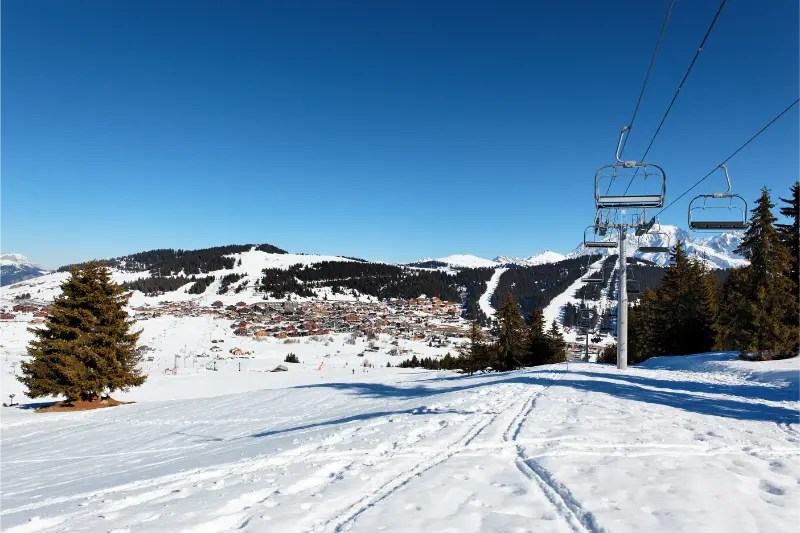
Major resorts provide broad terrain and services, often in purpose-built settings with complex pass choices.
My practical advice: Select accommodation by actual lift access and beginner needs, not vague ‘ski-in/ski-out’ marketing.
Traditional villages
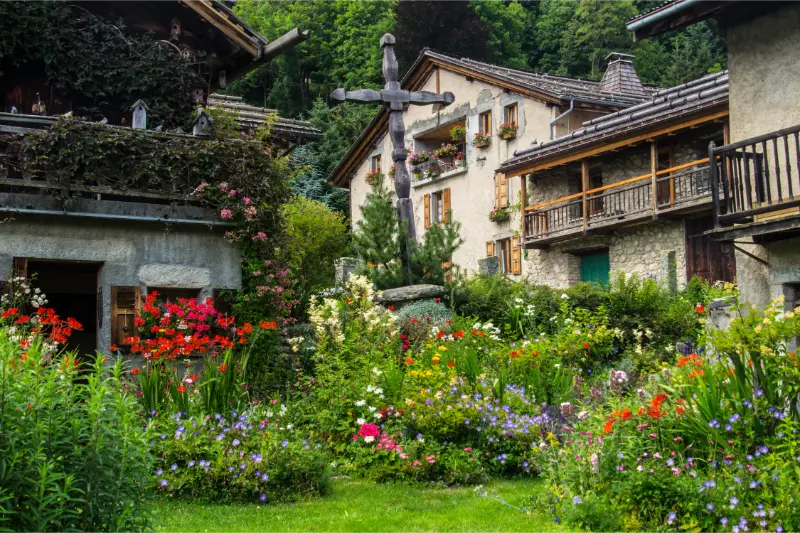
Smaller bases may offer atmosphere and gentler pace but fewer late services, lifts or snow-sure runs.
My practical advice: Read the seasonal operating calendar and transport frequency before choosing charm over convenience.
Summer hiking
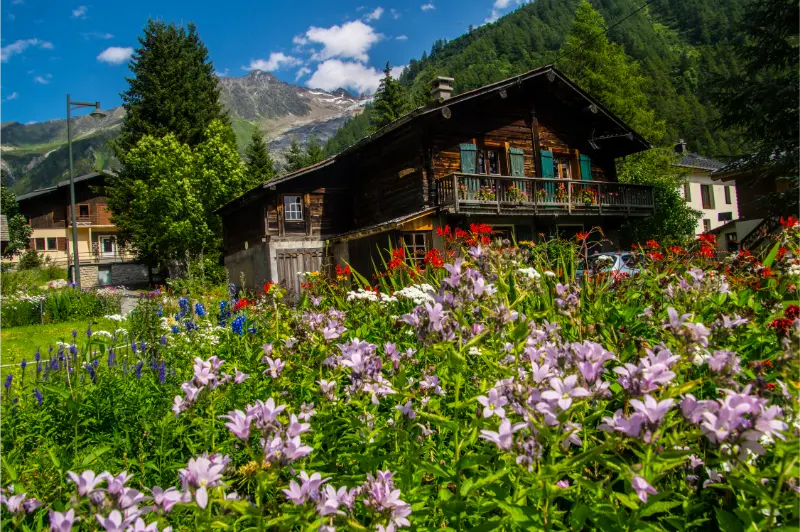
Marked routes range from lakeside walks to serious alpine terrain. Snow can remain high while valley temperatures feel summery.
My practical advice: Use local trail reports, carry layers and turn back when conditions or ability require it.
Shoulder seasons
Late spring and autumn can be beautiful and quiet, but lifts, refuges and restaurants may close between operating periods.
My practical advice: Confirm every essential service directly; low room prices may reflect limited access.
Four useful base profiles
Scenic first visit
Annecy for lake-and-mountain variety with strong urban services.
High-mountain drama
Chamonix for iconic scenery and well-developed access, with serious safety awareness.
Dedicated ski week
A resort selected for terrain level, altitude, transfer and non-ski needs.
Summer family stay
A valley with swimming, easy walks, lifts, rain alternatives and verified medical access.
Where to stay
Apartment residences suit week-long ski trips but may require cleaning, linen or food planning. Hotels simplify short breaks. In summer, valley heat and lack of air-conditioning can surprise visitors; in winter, boot storage and shuttle distance matter. Confirm the exact altitude and village, because one resort name can cover several levels.
Compare accommodation in Chamonix on Booking.com
Getting around
Trains reach Alpine gateways, then buses, shuttles or mountain railways complete the journey. Private transfers simplify luggage but cost more. Driving brings snow-equipment duties, parking and mountain-road conditions. Never assume the last urban train connects with the final resort bus.
Food and everyday rhythm
Cheese dishes such as fondue, raclette and tartiflette suit cold days but are not the whole regional table. Mountain restaurants, bakeries and self-catering all follow seasonal supply and opening. Carry food and water on hikes, while respecting refuge rules and waste limits.
Budget and booking strategy
Lift passes, equipment, lessons and transfers can exceed lodging costs. Price the full package before choosing a resort. In summer, lifts and parking still cost money, but valley cycling and walking can balance the budget. Insurance must cover the planned activity and rescue context.
How I would prepare before departure
I would begin an Alps itinerary by asking what the traveller wants to do rather than searching for the highest mountain on a map. Annecy makes sense for lake scenery, town life and gentler outings; Chamonix is attractive for big-mountain views and a strong alpine identity; a purpose-built ski resort may be more convenient for a family whose priority is lifts and lessons. Mountain valleys are not interchangeable bases, and a pretty hotel can be far from the activity you came for. Choose one principal valley for a short stay instead of losing days transferring between ski areas and separate mountain towns.
Before booking anything that depends on a lift, I would check the operator’s specific opening calendar. Summer cable-car access does not mean every winter lift runs year-round, and maintenance closures can fall during shoulder seasons. Mountain weather can also close an attraction on an otherwise pleasant day at lake level. For Chamonix, compare the published access conditions and altitude considerations of the excursion you want, rather than assuming all visitors should head to the same summit. In Annecy, distinguish lakeside transport from trips into surrounding mountains. Book flexible accommodation where possible and verify the availability of local buses before relying on them to reach a trailhead.
The bad-weather plan differs between an alpine valley and a lake town. Around Annecy, the old streets, covered cultural attractions and lower-level walks offer alternatives to exposed ridges. In Chamonix, a museum, village exploration or a low-elevation experience can replace a cancelled summit lift, but a rainy valley day is not necessarily safe for high-altitude hiking. In winter, heavy snowfall and road disruption demand patience; in summer, thunderstorms can build quickly on higher routes. Follow local forecasts and professional advice, turn back when conditions worsen and do not substitute a harder trail just because a planned cable car is unavailable.
Accessibility and responsible travel
Alpine accessibility must be evaluated for each activity, not each resort name. A lakeside promenade may be relatively level, while the route from the accommodation to a ski lift can involve snow, steep streets or shuttle transfers. High-altitude viewing platforms and cable cars publish their own restrictions, including information that may matter for visitors with certain medical conditions. Families with young children should look at lift policies, protective clothing needs, weather and the availability of sheltered facilities. Ask hotels about steps, equipment storage and the distance to the actual bus stop. ‘Ski-in, ski-out’ is not automatically convenient for someone who will not ski.
The mountain environment is fragile even when visitor infrastructure looks highly developed. Stay on marked paths, follow wildlife and grazing-animal guidance, take rubbish back down and avoid shortcuts that damage slopes. A mountain refuge operates with limited water and supplies; treat it differently from an urban restaurant and book when necessary. In winter, never mistake tracks left by other people for evidence that off-piste terrain is safe. In summer, respect temporary trail closures after rockfall or storms. Spending several nights in one valley also reduces unnecessary transfers and gives a deeper experience of alpine communities beyond the most famous viewpoints.
Mistakes I would avoid
- Choosing a resort only by fame
- Ignoring interseason closures
- Treating lift access as guaranteed safety
- Booking the wrong village level
- Underinsuring mountain activities
The avoidable mistake is matching a season to the wrong expectation. Spring in a high valley may still be wintry even when lowland France is green, and autumn can bring magnificent colour alongside lift closures. For a dedicated ski holiday, select a resort for the actual ability of the group, lesson options and realistic transport, not only for the size of its interconnected piste map. For hikers, a ‘moderate’ trail classification does not replace checking ascent, exposure and weather. I would also avoid transferring between Chamonix, Annecy and another large resort during a short trip just to claim three destinations; the mountains deserve unhurried time.
Frequently asked questions
Are the French Alps only for skiing?
No. Summer hiking, cycling, lakes, wellness and heritage create a strong warm-season trip.
Can I visit without a car?
Yes if you select a rail- or shuttle-connected base and verify local schedules.
Is Annecy in the high mountains?
Annecy is a lakeside city surrounded by mountains; it offers access and views rather than a high-alpine resort experience.
When is hiking season?
It varies by altitude, snow and route. Local current conditions matter more than a general month label.
Useful official resources
- The Mountains of France
- Lake Annecy Tourism
- Chamonix-Mont-Blanc Tourism
- Météo-France mountain weather
For official information, Chamonix tourism and the relevant lift operators cover the Chamonix Valley, while Lake Annecy Tourism helps with the lake and surrounding walks. Météo-France’s mountain service is important for changing weather, but local trail offices and mountain professionals provide additional context on conditions. France Montagnes is useful for comparing resorts without treating them all as identical. Check any pass against the specific lifts and dates you expect to use; similar pass names can cover different services. In winter, use recognised avalanche information and never interpret a good town forecast as reassurance about unsupervised mountain terrain.
Continue planning your trip
For the next step, read the best time to visit France, France with children, three days in Lyon and the French Pyrenees guide. These guides are designed to connect into a slower, more realistic France itinerary.
A successful Alps visit is often simpler than the destination photographs suggest. One carefully selected base, a few appropriate excursions and time in local villages can deliver far more satisfaction than moving accommodation every night. Lake Annecy’s rhythm of markets and water contrasts with Chamonix’s high mountains; both are rewarding, but they create different days. Build time for a weather window rather than book every outdoor hour in advance. A cable-car panorama may be impressive, yet a lower valley walk with a view back to the summits can become the most memorable part of the trip when the landscape is given room.

A final decision checklist
I would define the season and group before comparing hotels. For a winter beginner, proximity to a nursery slope, lesson meeting point and shuttle matters more than luxury at an outlying chalet. For a summer family, playgrounds, easy lake access and short walks may justify an Annecy-area base. For photographers or confident hikers, the Chamonix Valley provides a different range of perspectives but demands more attention to altitude and conditions. Check if accommodation prices rise around local events and school holidays, and whether a quoted stay includes practical extras such as parking or secure sports-equipment storage.
Transport is a decisive planning filter. Rail and bus connections can make parts of the region accessible without driving, but the last trip to a cable-car station or remote trailhead must be checked separately. If arriving with skis or bulky luggage, walking distances from the terminal matter. A car may help with outlying valleys but can be inconvenient in crowded resorts and problematic on snowy roads without appropriate equipment. Clarify legal winter-equipment requirements for the area and season before hiring a vehicle. For a first mountain trip, the simplest connection is often worth more than a marginally cheaper, isolated room.
Before you commit, write one sentence describing your holiday: lakes and villages, serious skiing, family-friendly summer walking or dramatic high-alpine views. Then make sure the base, season, transport and booked activities all support that sentence. Keep a lower-altitude alternative for every exposed excursion, verify lift calendars and leave time for weather changes. The French Alps cannot be reduced to one climate or one travel style. Good planning here means choosing an appropriate corner of a vast region and enjoying its particular landscape, rather than attempting every iconic mountain image in a single itinerary.