

A list of France’s best places is only useful when it helps you make choices. Paris, Provence, Alsace and the Riviera can all be extraordinary, but they deliver very different holidays. The right destination depends on whether you want art, coast, food, hiking, history or an easy first journey by train.
I use this guide as a decision tool rather than a ranking. The twenty places are grouped by the kind of experience they offer, with honest notes about time and transport. Choose one gateway, one contrast and perhaps one rural area; a shorter list usually produces a richer trip.
Quick planning overview
| Best first base | Paris for connections and cultural range |
| Best car-free coast | Nice and the Riviera rail line |
| Best road-trip regions | Provence, Brittany, Dordogne and Burgundy |
| Best for mountains | French Alps or Pyrenees |
| Planning rule | Two or three bases in a ten-day trip |
Paris, Versailles and the Loire Valley
Paris combines museums and neighbourhood life; Versailles adds royal scale; the Loire offers château landscapes and cycling. Together they form an accessible first route without crossing the whole country.
My practical advice: Give Paris four nights, treat Versailles as a substantial day and sleep in Tours or Amboise for the Loire rather than commuting from Paris repeatedly.
Provence, Marseille, Nice and the Riviera
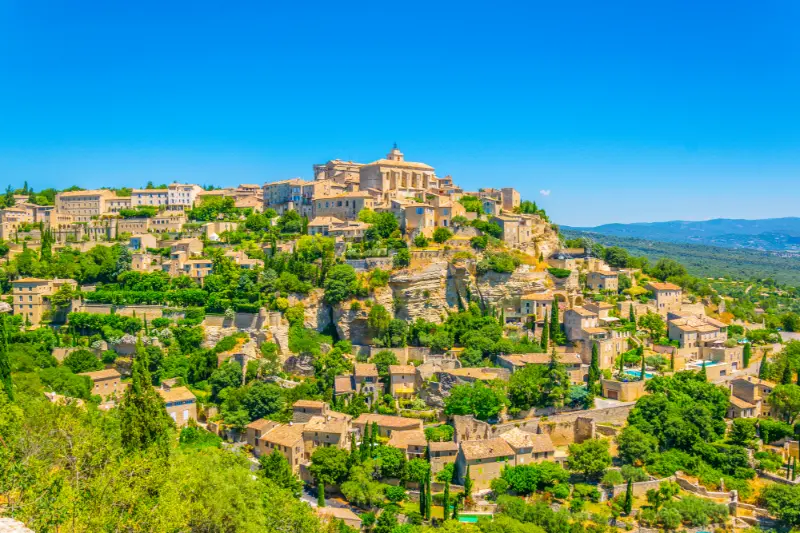
Provence brings markets, Roman towns and inland villages, while Marseille and Nice provide contrasting Mediterranean cities. Antibes, Menton and Villefranche-sur-Mer make easy coastal additions.
My practical advice: Use trains for the cities and coast, then rent a small car only for the Luberon, Verdon or other rural landscapes.
Lyon, Burgundy and Annecy
Lyon rewards food and urban history; Dijon and Beaune introduce Burgundy’s Climats; Annecy opens a gentler route into Alpine scenery. This cluster suits travellers who prefer compact cities and regional cuisine.
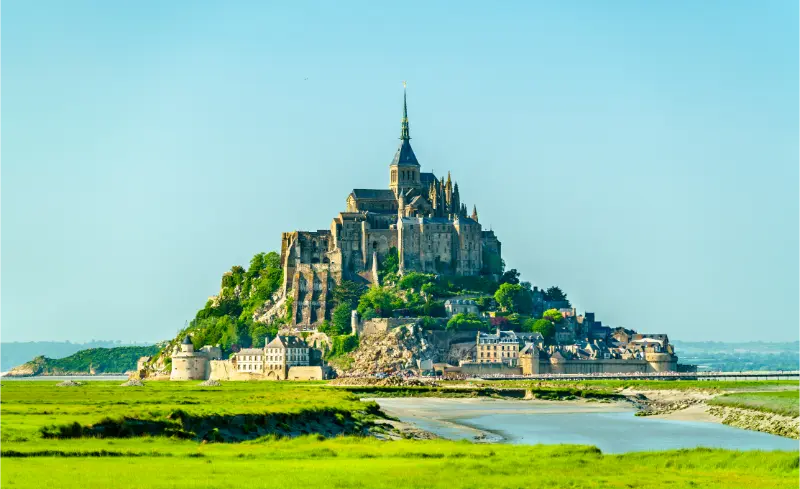
My practical advice: Do not force Annecy into a wine-focused weekend. Allow at least a week if all three areas matter, with two or more nights in each base.
Strasbourg, Colmar and the Alsace villages
Strasbourg offers cathedral architecture and European institutions, Colmar provides a smaller historic base, and the wine-route villages connect vineyards with distinct regional culture.
My practical advice: Travel to Strasbourg by high-speed train, then use regional trains and buses or a short car rental for the village section.
Normandy, Brittany and the Atlantic coast
Normandy combines memorial history, abbeys and dairy country. Brittany adds granite coast and Breton culture; La Rochelle and Île de Ré create a gentler Atlantic alternative farther south.
My practical advice: Choose one coastal region for a one-week trip. Linking all three is better suited to a slower two- or three-week road journey.
Bordeaux, Dordogne, the Basque Country and the Pyrenees
Bordeaux is a rail gateway to wine country and the southwest. Dordogne adds prehistoric and medieval depth, while the Basque coast and Pyrenees bring ocean and mountain landscapes.
My practical advice: These places look close on a national map but rural transfers take time. Build separate loops around Bordeaux, Bayonne or Toulouse instead of one continuous dash.
Classic first trip
Combine Paris with the Loire or Normandy, then add Lyon or Provence if you have two weeks.
Food and wine
Link Lyon and Burgundy, or Bordeaux and Dordogne, leaving tasting days car-free or assigning a non-drinking driver.
Coast and outdoors
Choose the Riviera plus the Southern Alps, or the Basque coast plus the Pyrenees; each pairing keeps transfers regional.
Cities by train
Paris, Strasbourg, Lyon, Avignon and Nice create a strong north-to-south route, but remove one stop if you have fewer than fourteen days.
Where to stay
Base selection matters more than ticking off place names. Paris, Lyon, Strasbourg, Bordeaux, Toulouse and Nice work well near central stations or direct urban transport. Rural regions reward two- or three-night stays in one town rather than nightly moves. Before booking a picturesque property, check evening food, parking, steps, air-conditioning and the last public-transport connection.
Compare accommodation in France on Booking.com
Getting around
France’s high-speed rail network makes major cities easy to combine, while regional trains serve many coastal and historic towns. Cars become useful in the Luberon, rural Brittany, Dordogne, Burgundy vineyards and mountain valleys. Build the route around direct journeys, not straight-line distance. Check the exact station, fare conditions and local final connection before committing.
Food and everyday rhythm
Every destination has a food identity, but a trip should not become a race through famous dishes. Use a market, bakery, everyday lunch and one planned regional meal to learn the local rhythm. Wine regions remain rewarding for non-drinkers through landscapes, architecture and food. Reserve small restaurants in villages and check closing days outside high season.
Budget and booking strategy
Paris, the Riviera and peak Alpine dates usually put the most pressure on accommodation budgets. Regional cities such as Lille, Toulouse and Dijon can provide excellent cultural value. Travel slowly to reduce rail fares, car-hire days and check-in costs. Compare city passes only after listing the admissions and transport you will actually use.
How I would prepare before departure
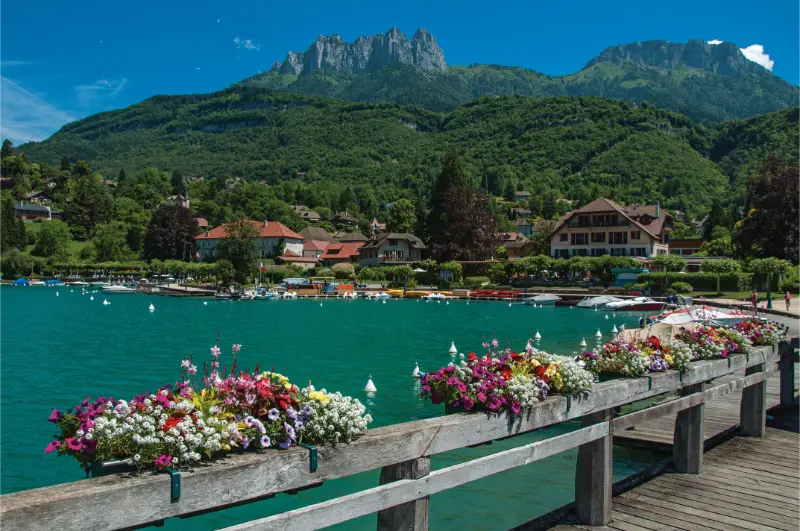
My planning starts with a simple map that includes Paris, Versailles and the Loire Valley, Strasbourg, Colmar and the Alsace villages and Bordeaux, Dordogne, the Basque Country and the Pyrenees. I mark the accommodation, stations or car parks, timed entrances and one realistic place to eat near each day’s main activity. This is not meant to create a rigid schedule. It reveals unnecessary crossings, arrival days that are too ambitious and places where a short distance hides a slow connection. For this france travel planning trip, I would confirm the hardest reservation first, then book transport and accommodation around it. I keep confirmation numbers, addresses and cancellation conditions in one offline note so a weak signal or empty battery does not turn into a crisis.
Mistakes I would avoid
- Treating a national wish list as a ten-day route
- Choosing places without checking the connections between them
- Renting a car for city-only days
- Assuming every coast or mountain season feels the same
- Booking rural accommodation before checking evening logistics
What are the best places for a first trip?
Paris plus one contrasting region is the clearest start. Add the Loire, Normandy, Alsace, Lyon or Provence according to your interests.
Which part of France is easiest without a car?
Paris, Lyon, Strasbourg, Bordeaux, Marseille, Nice and much of the Riviera work well by rail and urban transport.
Where should I go for beaches?
The Riviera suits rail travel and swimming, Brittany offers dramatic shores, and the Atlantic coast provides islands, surf and long sandy beaches.
How many regions fit into two weeks?
Usually three bases or two regions plus Paris. Four stops can work when direct trains keep transfers simple.
Useful official resources
Continue planning your trip
For the next step, read the first-time France guide, the two-week France itinerary, the best time to visit France and the seven-day France itineraries. These guides are designed to connect into a slower, more realistic France itinerary.
Choose regions by travel style rather than ranking alone
France’s strongest destinations cannot be reduced to one universal top twenty. Paris is a good anchor for art and city culture, while Provence emphasizes Mediterranean villages, Roman heritage and outdoor dining. Brittany rewards tidal coastlines and maritime towns; Alsace lends itself to rail-based cities and vineyard villages; the Alps are better for mountain scenery with attention to season and altitude. Instead of chasing the most names, choose two or three experiences you want the trip to deliver. A family traveling with small children has different tolerances for transfers than a couple planning museums or a group focused on wine.
The first-trip triangle: Paris, Loire and one contrasting region
For a ten- to fourteen-day first visit, a practical choice is Paris plus the Loire Valley and one further region connected by reliable rail. The Loire provides gardens, river landscapes and châteaux without requiring an immediate cross-country flight. A southern city such as Lyon or Avignon adds a different climate and culinary setting. The exact sequence depends on where you arrive and depart: an open-jaw flight can reduce a long backtrack. Count hotel changes, not only destinations. Three bases over ten days often work better than six places advertised as ‘must-sees’ in a countrywide highlights list.
Compare French regions by season, not by a national forecast
April in Paris is not equivalent to April in the high Alps, and summer Provence is not experienced like coastal Brittany. For warm-weather walking in the south, shoulder months can be more comfortable than the hottest part of July or August. Mountain lifts, passes and hiking routes have seasonal operating periods, while a winter city break can be excellent for museums and food. Champagne and Burgundy change visibly with the vineyard calendar. Before booking, inspect typical local conditions and the specific attractions you value, rather than using a single ‘best month in France’ answer.
The transport reality behind the map
High-speed trains make Paris–Lyon, Paris–Bordeaux and other main corridors efficient, but they do not automatically connect rural Luberon villages, distant Breton headlands or Alpine trailheads. Plan each day’s last kilometer, including station transfers and evening return journeys. In large cities, a car is often a burden; in rural areas it may save hours. Rental-car plans should allow for tolls, parking, charging or fuel and local restrictions. Mixing a rail-based city stay with a short regional car rental is often more efficient than keeping a vehicle for the whole trip. Avoid treating a straight-line map distance as a daily itinerary.
How much time each headline destination deserves
Paris can easily fill four or five days without exhausting its museums and neighborhoods. Lyon, Bordeaux and Strasbourg can each reward two or three days, especially with a carefully chosen excursion. Provence, Brittany and the Dordogne are better approached as regions, because their appeal lies in multiple smaller places and landscapes. The Côte d’Azur can be explored from a rail base, but Monaco, Menton, Antibes and Cannes should not all be treated as one continuous sightseeing day. Allocate extra time when ferries, mountain walks or reservations are the central experience, since weather and logistics will influence what is possible.
Avoid the popular route that never lets you settle
A daily pattern of packing, checking out, driving and finding parking can quietly consume the best hours of a vacation. Choose bases around clusters: Nice for accessible Riviera towns, Bayeux or Caen for parts of Normandy, Dijon or Beaune for Burgundy, and Rennes or Saint-Malo for eastern Brittany. Not every town should be an overnight stop. If the route includes a rural attraction accessible only by car, place it between bases rather than making a distant round trip. Let a free morning remain in the itinerary; it is often when markets, neighborhoods and unplanned discoveries become the memories you keep.
A practical final decision test
Before choosing any destination, ask how you will reach it, how many nights it deserves, what you would do if it rains and whether its principal sight will be open on your chosen date. Then compare the answer with the rest of the journey. A remote fortress may be a wonderful addition to a regional road trip but a poor reason to cross France for a few hours. A small seaside town can be ideal for three days if you actually intend to walk and swim. A useful ‘best places’ guide should make it easier to reject attractive but unsuitable stops, not pressure you to collect all of them.