
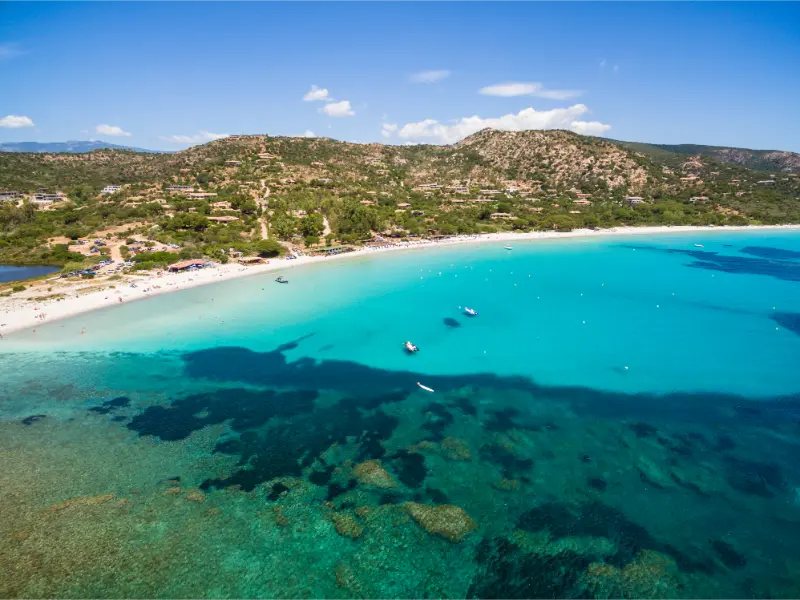
Corsica looks compact until mountain roads turn a short line on the map into a slow, concentrated drive. A first week should not circle the entire island. The most enjoyable plan chooses north or south, uses two bases and lets beaches, villages and mountains change with weather.
This itinerary presents a southern route around Ajaccio and Bonifacio, plus a northern alternative through Bastia, Cap Corse and Balagne. Both are complete trips; combining them in seven days would sacrifice the very landscapes you travelled to see.
Quick planning overview
| Length | 7 days |
| Best structure | Two bases |
| Choose | Southern Corsica or northern Corsica |
| Car | Useful; select a compact vehicle |
| Driving rule | Estimate by time and road character, not kilometres |
A southern Corsica week
Days 1–2: Ajaccio area
Settle into the island rhythm through the city, markets and a nearby coastal outing rather than collecting the car and immediately crossing mountains.
My practical advice: Time the first drive around flight or ferry fatigue and never leave luggage visible.
Day 3: west-coast landscapes
Use a carefully chosen excursion toward the Gulf of Porto or another western landscape only if road time remains comfortable.
My practical advice: Cliff roads demand concentration; the driver needs viewpoints and rest, not a packed arrival deadline.
Days 4–5: Bonifacio
Move south for limestone cliffs, harbour levels and boat or walking perspectives, understanding that stairs and wind shape the visit.
My practical advice: Reserve parking or accommodation logistics and check sea conditions before boat-dependent plans.
Day 6: beaches with judgement
Choose a beach by wind, access, parking and swimming conditions rather than social-media ranking.
My practical advice: Carry water and remove waste; do not create informal parking that damages vegetation.
Day 7: mountain or village contrast
Use the final full day for an inland village, short walk or archaeological site within a safe return radius.

My practical advice: Avoid a major cross-island drive immediately before a ferry or flight.
Northern alternative
Base in Bastia or Cap Corse, then move to Calvi or L’Île-Rousse for Balagne beaches, villages and rail-linked coastal sections.
My practical advice: This north-only route is equally complete and often flows better for arrivals into Bastia.
Corsica logistics that change the trip
Ferry or flight
Compare total door-to-door time, luggage, vehicle costs and arrival hour.
Roads
Average speeds can be low; add margins for animals, cyclists, viewpoints and summer traffic.
Beaches
Wind and sea state vary by coast, so keep alternatives on opposite exposures.
Hiking
The GR20 is a serious undertaking, not an improvised day-trip label; select marked walks appropriate to experience.
Where to stay
Ajaccio plus Bonifacio or Porto-Vecchio creates a southern framework; Bastia plus Balagne works in the north. A beach residence may be isolated from dinner, while town accommodation complicates parking. Confirm air-conditioning, access road width, check-in time and whether linens or cleaning are included.
Compare accommodation in Corsica on Booking.com
Getting around
A compact rental car helps on narrow roads, but inspect it carefully and understand ferry permissions. Corsican rail is scenic and useful on selected axes, not a complete island solution. Fuel up before remote stages and keep phone navigation backed by an offline map.
Food and everyday rhythm
Corsican charcuterie, cheeses, chestnut products, seafood and wines reflect mountain and coastal production. Seek genuine local origin rather than assuming every souvenir label is island-made. Reserve dinners in small places and drink moderately when driving roads that demand full attention.
Budget and booking strategy
Summer cars and accommodation require early booking. Ferrying your own vehicle can be economical for a family but changes travel time. Beach days cost little until parking, boats and restaurants accumulate. Two bases reduce fuel and cleaning fees.
How I would prepare before departure
I would treat a seven-day Corsica trip as one side of the island, not a loop that tries to include every celebrated beach. This suggested southern route uses Ajaccio and Bonifacio as practical anchors, with one west-coast scenery day and an inland contrast. Mark roads by driving time rather than by straight-line distance: the mountain terrain and bends slow progress dramatically. If arrival or departure is through Bastia, the northern alternative can be more sensible than crossing the island just to follow a predetermined plan. The reward for fewer kilometres is the freedom to stop at a viewpoint or village without worrying about a distant check-in.
Before making reservations, check the exact airport or ferry port, vehicle collection hours and the rental company’s conditions for mountain roads. A seven-day itinerary that starts late in the evening and ends with an early flight effectively has fewer sightseeing days. If arriving by ferry with a car, allow for embarkation procedures and possible sailing changes. If hiring, select a vehicle you are comfortable handling on narrow roads and understand insurance coverage. For Bonifacio, research parking before entering the historic upper town. Any boat excursion to cliffs or offshore islands should be booked with flexibility, because sea state determines what operators can safely offer.
A windy or stormy day on Corsica needs a land-based alternative rather than a desperate search for a sheltered boat. Bonifacio’s sea excursions can be affected even when the sky looks clear, and exposed beaches may be uncomfortable in strong winds. Spend such a day exploring an inland village or a town museum, provided road and weather warnings permit the journey. In summer heat, choose the earliest realistic start for longer walks, carry more water than you expect and do not improvise a rugged hike in midday sun. In shoulder seasons, confirm restaurant and activity openings: the island’s year-round life is not identical to its summer tourism offer.
Accessibility and responsible travel
Accessibility in Corsica is best approached by choosing exact stops. Bonifacio’s historic citadel, dramatic staircases and cliff paths are visually striking but often steep. Some beaches are reached by long paths, soft sand or irregular parking areas, while an apparently nearby viewpoint may involve a challenging descent. Ask accommodation providers about steps and access from the vehicle rather than relying on a generic ‘ground floor’ description. Travellers with limited mobility can still enjoy ports, town centres and selected scenic roads, but should identify suitable promenades in advance. Families with strollers may prefer a shaded harbour outing to a scramble down to a famous cove.
Corsica’s mountains and coast belong to a landscape with protected habitats, traditional villages and seasonal pressure on water resources. Use designated parking, do not drive onto dunes or informal tracks and avoid disturbing livestock on rural roads. Respect swimming warnings and do not assume a calm-looking cove has safe conditions. Take particular care with fire restrictions in dry weather, including prohibitions affecting trails and picnic activities. Staying locally for several nights and eating in village businesses helps visitors engage with the island beyond its best-known beaches. The places that look empty in advertising may still be working and ecologically sensitive spaces.
Mistakes I would avoid
- Trying to circle Corsica in seven days
- Trusting kilometre estimates
- Planning every day around one famous beach
- Underestimating wind and mountain weather
- Taking an unsuitable rental car onto rough access roads
The most serious mistake is trusting a kilometre figure instead of Corsican travel time. A road may be scenic but slow, and piling two mountain drives around a fixed boat departure makes the day fragile. Another is planning only beaches and discovering too late that wind has made the planned shore unpleasant. Include one cultural or inland alternative, and choose between southern and northern Corsica rather than attempting both in seven days. Avoid a final overnight far from the departure port unless you have a substantial time buffer. The island’s character emerges when you stop fighting its terrain and give each small area room.
Frequently asked questions
Is one week enough for Corsica?
Yes for a focused north or south itinerary. It is too short for a relaxed full-island circuit.
Do I need a car?
A car is strongly useful outside a limited town-and-rail trip.
North or south for a first visit?
Choose by arrival point and interests. The north combines Cap Corse and Balagne; the south combines cliffs, beaches and mountain access.
When should I visit?
Late spring and early autumn often balance warmth and pressure, while summer requires earlier booking and heat planning.
Useful official resources
Visit Corsica is the starting point for local tourism guidance, while the chosen ferry or airline is the authority on baggage, timings and changes. Check the Corsican Railways operator if considering a scenic rail day; the train network is useful on particular corridors but it will not recreate this entire road trip. For any marine excursion, the operator’s sailing notice matters more than a fixed booking in your itinerary spreadsheet. Local prefectural or municipal information may also affect wildfire-related access in dry periods. Keep emergency contacts and the actual address of each night’s lodging available offline before entering areas with weak mobile coverage.
Continue planning your trip
For the next step, read the French Riviera guide, four days in Marseille, the best time to visit France and the France destination guide. These guides are designed to connect into a slower, more realistic France itinerary.
Corsica is memorable for the speed with which landscapes change, not for the number of famous beaches you can collect. Around Ajaccio, the gulf opens toward rugged western scenery; Bonifacio brings limestone cliffs and a dramatic historic settlement; inland villages introduce another pace and food tradition. Give the road trip an afternoon without appointments so a roadside market, short walk or long view can become the main experience. A simple meal with Corsican cheese, chestnut-based specialities or local produce can tell a distinct story of place. That slower rhythm feels more faithful to the island than a seven-day sprint around the shoreline.
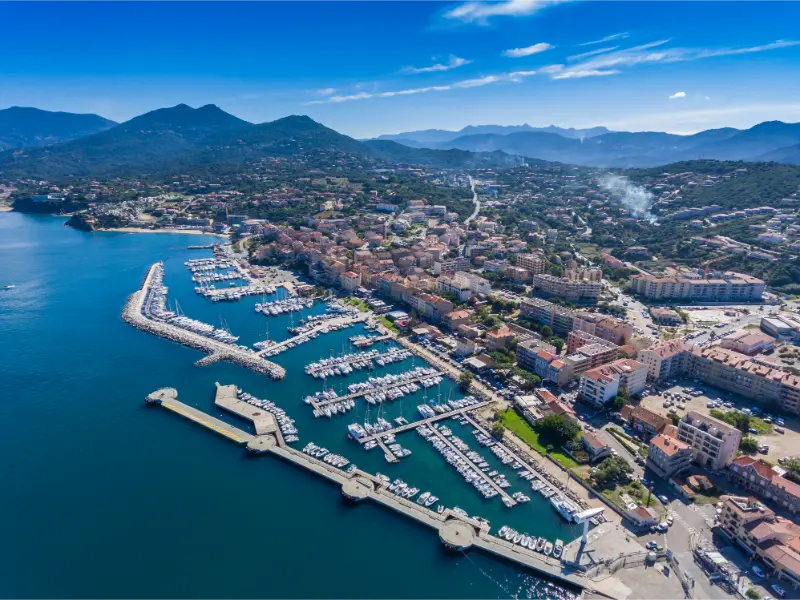
A final decision checklist
I would book the first and last nights around real transport commitments. If the flight lands in Ajaccio, an Ajaccio-area base reduces fatigue on arrival; near Bonifacio, a second base can serve the south without repetitive driving. Check whether a rural rental has a paved access road, clear directions and after-hours reception. Summer parking availability near beaches and the citadel deserves special attention. For travel with children, confirm shade, toilet facilities and a realistic walk from car park to beach rather than choosing the most famous name. Shorter outings often leave more time for a relaxed swim and an unhurried evening meal.
Road confidence matters as much as lodging location. On twisting coastal and mountain routes, allow other vehicles to pass safely, avoid stopping on blind bends for photographs and keep fuel topped up before remote sections. If someone in the group is prone to motion sickness, choose fewer cross-island transfers and plan regular pauses. A ferry-based itinerary also needs a generous return allowance for port queues. The train can provide a welcome non-driving experience on a suitable corridor, but route choice and operating days should be checked directly. A sensible road-trip plan leaves you alert enough to enjoy the villages at the end of each drive.
For the last check, divide the week into two Ajaccio days, a carefully selected west-coast journey, two Bonifacio days and two flexible days for beach or mountain contrast. Remove any stop that forces a long same-day detour back over a difficult road. Save ferry or flight instructions, accommodation coordinates and the boat operator’s contact details. Keep one excursion weather-dependent instead of prepaying everything. Seven days cannot cover all of Corsica, and the itinerary becomes stronger when it admits that limitation. Choose a region, drive cautiously and let the island surprise you at human speed.