
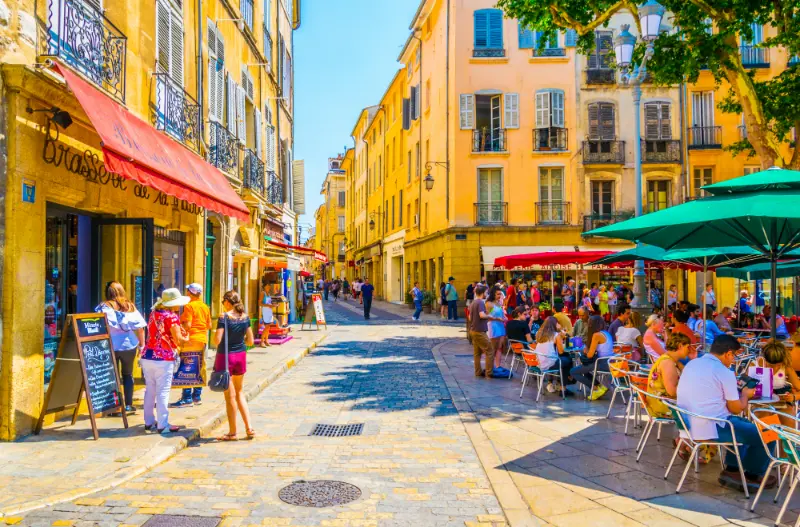
The best things to do in Provence are not a ranked list of monuments. The region works because very different experiences can sit within one trip: a Roman amphitheatre in the morning, an olive-growing landscape in the afternoon and a market dinner back in town. I would therefore choose activities by theme and geography rather than trying to tick off twenty locations.
Use this article as an inspiration layer over the practical Provence travel guide. If you already know your bases, the ideas below help decide which days deserve a city, a village, a landscape or a slower food-focused rhythm.
Quick planning overview
| Question | Practical answer |
|---|---|
| Best for history | Avignon and Arles. |
| Best for villages | Luberon and Alpilles. |
| Best for nature | Camargue and Gorges du Verdon. |
| Best for art | Aix-en-Provence, Arles and Les Baux. |
1. Spend a full day in Avignon
The Palais des Papes is the obvious anchor, but Avignon is much more convincing when you stay inside the walls long enough to walk the lanes, visit the Rocher des Doms area, cross or view the Rhône and eat without racing for a train. In 2026 the Palais introduced new interpretation and previously unseen rooms; check Avignon Tourisme for the latest visit information.
2. Explore Roman Arles
Arles gives Roman history unusual immediacy because the amphitheatre, theatre, cryptoporticoes and other sites sit inside an active town. The UNESCO story continues into Romanesque heritage at Saint-Trophime. Give the city a full day rather than treating the arena as a single stop, then use our Arles travel guide to connect the monuments logically.
3. Follow Cézanne through Aix-en-Provence
Aix is at its best when art and city life are combined. Walk the historic centre, notice the fountains and façades, visit Cézanne-related sites when open and keep Sainte-Victoire in the background of the day rather than forcing every stop into a museum schedule. The official tourism office maintains current information on the Cézanne sites and seasonal openings.

4. See Gordes early or late
Gordes is one of the most photographed villages in Provence, which is exactly why timing matters. Arrive early, walk the village before the busiest period and include the surrounding dry-stone heritage rather than stopping only at the famous approach viewpoint. Our Gordes guide explains how to turn the village into a half-day rather than a ten-minute photograph.
5. Walk the ochre landscape at Roussillon
Roussillon is visually different from the limestone villages around it. The paid Sentier des Ocres gives close access to the ochre formations, while the village itself carries the colours into walls and lanes. In 2026 the trail remains subject to weather and fire-risk closures, so check the official Roussillon trail page before driving over.
6. Slow down in Saint-Rémy-de-Provence
Saint-Rémy works as a market town, an art-history stop and a base for the Alpilles. Glanum adds a major archaeological site just south of town, while Van Gogh associations give another layer to the landscape. I would give the area most of a day and pair it with Les Baux only if you start early.
7. Climb through Les Baux-de-Provence
The village sits dramatically in the Alpilles, and the château ruins make the topography part of the visit. Nearby Carrières des Lumières provides a completely different immersive art experience in former limestone quarries. This is a good example of why the Alpilles deserve more than a quick detour between Arles and Avignon.
8. Experience the Camargue as a wetland, not a theme park
Flamingos, horses and bulls are emblematic, but the real attraction is the delta itself: lagoons, reedbeds, salt landscapes, rice-growing areas and huge skies. Use designated observation sites and marked routes, and follow guidance from the Parc naturel régional de Camargue rather than driving down private tracks in search of wildlife.
9. Give the Verdon more than a viewpoint
The Gorges du Verdon deserve a dedicated day or, ideally, several nights. Scenic roads reveal the canyon from above; Lac de Sainte-Croix gives a water-level perspective; walking adds a third. Our 3-day Verdon road trip is intentionally slower than the common one-day loop.
10. Build one market morning into the trip
A market is most useful when it shapes breakfast, lunch and a walk through town. Choose one that fits your route rather than chasing a different market every day. Arrive early, bring a bag and remember that food stalls, household goods and everyday shopping are as much part of the experience as photogenic produce.
11. Drive the Luberon slowly
Gordes and Roussillon are only the beginning. Ménerbes, Bonnieux, Lacoste, Lourmarin and smaller hamlets each change the rhythm. The point is not to visit all of them; it is to choose two or three with different characters. The 4-day Luberon route shows how to spread them across several days.
12. Taste Provence through ordinary food
Olive oil, tapenade, seasonal vegetables, goat cheeses, calissons and local wines make more sense when you encounter them where they are produced or eaten. A simple market picnic can tell you more about the season than an overcomplicated tasting menu. If alcohol is part of the trip, designate a driver or organise transport before the first tasting.
13. Walk in the Alpilles
The Alpilles are lower than the Alps but still require respect for heat, sun and seasonal fire restrictions. Shorter walks from established trailheads can be more rewarding than a long exposed hike in midsummer. Check local access rules the evening before in high fire-risk periods.
14. See Provence outside summer
Spring brings flowers and active landscapes; autumn softens the light and changes the markets; winter can be crisp, quiet and surprisingly rewarding in cities. Provence is not closed outside lavender season, and a shoulder-season trip often gives you better walking conditions and more spontaneous accommodation choices.
Where to stay
A good base keeps different experiences in the same geographical cluster. Arles is logical for Roman history and the Camargue; Avignon for the palace, Rhône and some western Vaucluse excursions; Aix for Cézanne-related sites and markets; the Luberon villages for a slower car-based stay. A single countryside property can work for a full week when you are willing to repeat drives, but two bases often make more sense if the Verdon is also a priority. Book for the places you will visit after breakfast and where you want to eat dinner, not for a romantic address that adds an hour to every return journey. Check parking and restaurant days before committing. To compare possible stays, use Compare places to stay on Booking.com.

Final planning advice
A satisfying Provence itinerary balances eras and landscapes. One day might move from Roman stone to an evening square in Arles; another from Luberon market stalls to an ochre trail; a third might focus entirely on the Camargue or the Verdon. A slow lunch, a legal scenic stop and an hour in a quiet village are not filler between headline attractions. They are often where the place begins to feel distinctive. Use the twenty experiences as a menu rather than a compulsory route, and resist mixing distant districts in a single afternoon just because they look close on a regional map.
15. Leave one afternoon unscheduled
The most useful Provence activity may be the one you do not book. Leave one afternoon for a second market, a village you discovered at breakfast, a swim, a longer lunch or simply returning to a place in better light. This flexibility is especially valuable in summer, when heat and traffic can make a tightly packed plan unpleasant.
16. Choose one landscape at sunset
Rather than driving frantically between sunset viewpoints, choose one legal, safe place near your base and stay there. The evening change in colour is part of Provence’s appeal, and enjoying it without a schedule often becomes more memorable than another paid attraction.
How this stop fits into a wider Provence trip
A list of Provence experiences should change with the calendar instead of keeping the same ranking all year. In spring, Roman Arles, the Avignon palace quarter and the paths of the Alpilles suit walkers before the strongest heat. Late June and early July may bring lavender colour to the Valensole plateau, but flowering and harvesting vary, so check local updates. In July and August, markets start early, exposed villages become hot and fire risk can restrict mountain or forest access. Autumn is often excellent for calmer urban sightseeing, local produce and vineyards. In winter, choose places with substantial architecture and museums over a plan built entirely around seasonal boat trips or outdoor cafés. Even in one week, the best mix depends on weather.
To make these experiences work with children, build each day around one main theme. A morning exploring Arles’ Roman sites can finish with a slow lunch; a Luberon village visit is better paired with a short nature stop than with three additional hill climbs. The Camargue needs an ethical wildlife perspective: birds and horses can be seen at a respectful distance, and wildlife sightings are never guaranteed. In the Verdon, distinguish scenic viewpoints from safe swimming access and check water conditions before setting out. A short market visit is more engaging when children choose fruit or bread for a picnic. The day should have a nearby place to rest before anyone becomes overtired.
Many of Provence’s most recognisable experiences are also physically demanding. Les Baux-de-Provence has sloping stone routes; the ochre paths of Roussillon can be uneven; Verdon overlooks may involve exposed edges and steep approaches. If step-free access is essential, prioritise a small number of attractions with documented adapted routes and contact each site before buying tickets. Urban centres such as Aix and Avignon have more transport choices, but historic pavements and building entrances still vary. In summer, accessible transport is only part of the problem: shade, water and an indoor refuge should be planned as deliberately as the main sight. Do not assume that every spectacular viewpoint has a safe stopping or turning area for vehicles.
17. Spend a night in a smaller town
Day trips show you the famous façades; an overnight shows you the change in rhythm. In a Luberon or Alpilles town, early morning and evening are quieter, restaurant choices feel less rushed and you can start the next day before excursion traffic arrives. I would choose the overnight for logistics as much as atmosphere: it turns two long return drives into one short local day.
18. Cycle one manageable route
Cycling can reveal Provence at a scale that driving misses, but route choice matters. Canal paths, quieter rural lanes and signed cycle routes are better for most visitors than exposed main roads. Heat, mistral and climbing can change an easy-looking map into a demanding ride, so pick a distance below your theoretical maximum and start early.
19. Visit a quieter heritage site
After several famous monuments, choose one abbey, archaeological site or small museum that is not on every first-time list. Provence has Roman, medieval, industrial and artistic heritage well beyond the headline cities. One quieter site often gives you better context because you have time to read, ask questions and notice the landscape around it.
20. End with a town rather than another viewpoint
A final evening in Avignon, Arles or Aix is often more satisfying than squeezing in one last scenic drive. Return the car if possible, walk to dinner and let the trip finish at human pace. This also protects the final day from traffic delays before a train or flight and gives you a cleaner transition out of rural Provence.
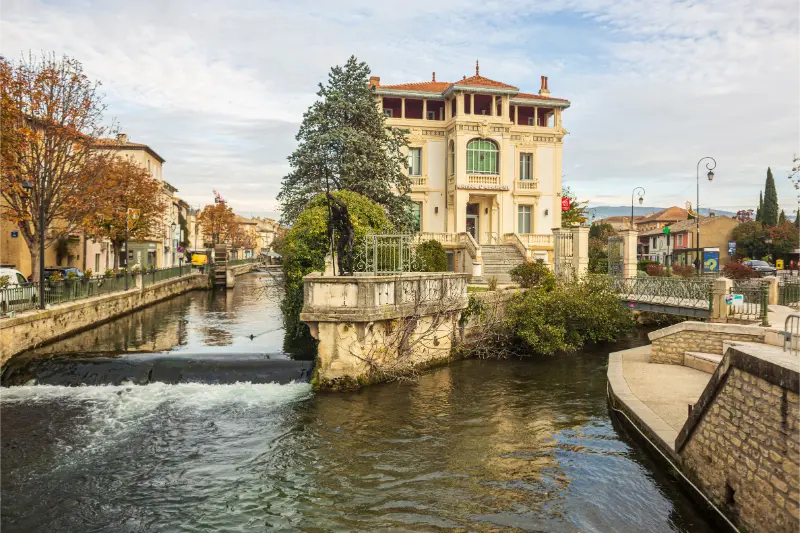
Go beyond the headline sights: explore L’Isle-sur-la-Sorgue, the Sorgue source in Fontaine-de-Vaucluse, or Moustiers-Sainte-Marie by the Verdon.
Current travel details and operating conditions
When deciding which experiences require a booking, start with fixed-capacity admissions or guided activities rather than automatically reserving every stop. The Roman arenas and many old-town walks are easy to plan independently, while a specialised Camargue nature tour or a tasting can justify a guide who knows local conditions. For the Verdon, long winding roads should be considered part of the day, not empty transfer time between attractions. On high fire-risk days, consult official restrictions before entering a massif. For car-free travellers, favour a city base and select day tours only where buses cannot provide a practical substitute. This leaves time and budget for the places you are actually interested in.
Before a trip in 2026, confirm the current opening and access conditions of the specific experiences selected, including seasonal gardens, Roman sites with temporary events and the Calanques or mountain paths subject to official restrictions. Local tourist offices provide market days and festival calendars that may not match older online summaries. If you intend to photograph lavender fields, stay on paths and never treat cultivated rows as public picnic ground. When evaluating boat trips or outdoor excursions, compare weather-cancellation policies and the exact departure point rather than relying on a promotional photograph. This kind of practical filtering is what turns a list of highlights into a workable holiday.