
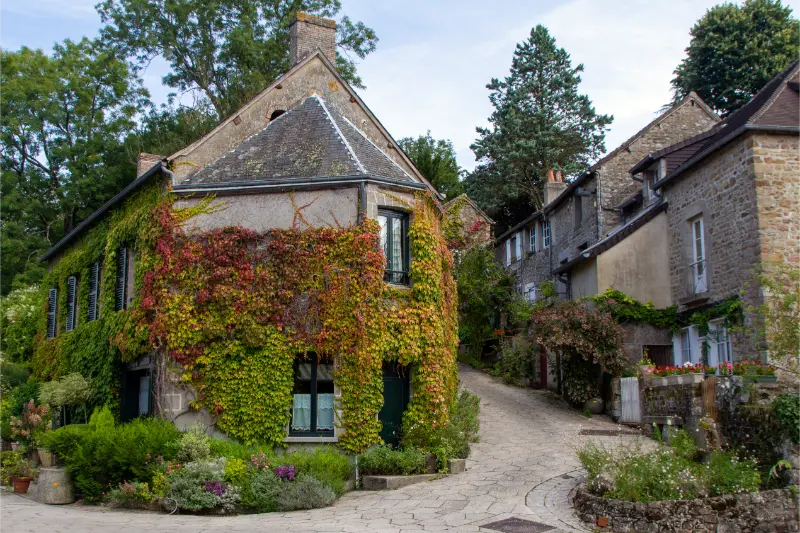
Normandy is much easier to enjoy when you stop treating it as a single day trip from Paris. The region combines medieval cities, D-Day history, dramatic cliffs, fishing ports, rural food country and Mont-Saint-Michel, and the distances between those experiences are large enough to reward a proper itinerary.
A first trip usually works best with two or three bases. Rouen and the Seine side belong naturally together; Bayeux is the strongest base for D-Day history; Honfleur and the Côte Fleurie create a different coastal mood; the Cotentin feels wilder; Mont-Saint-Michel deserves careful timing. This Normandy travel guide helps you decide what to combine and what to leave for another trip.
Quick planning summary
- Best first-trip length: 5–7 days.
- Best all-round bases: Rouen, Bayeux and either Honfleur/Caen or the Mont-Saint-Michel side.
- Best season for balance: spring and early autumn; summer offers long days but more visitors.
- A car adds freedom, but a rail-based Normandy trip is possible around major towns.
- Do not reduce D-Day history to one hurried museum; choose fewer sites and give them time.
What makes Normandy different from other regions of France?
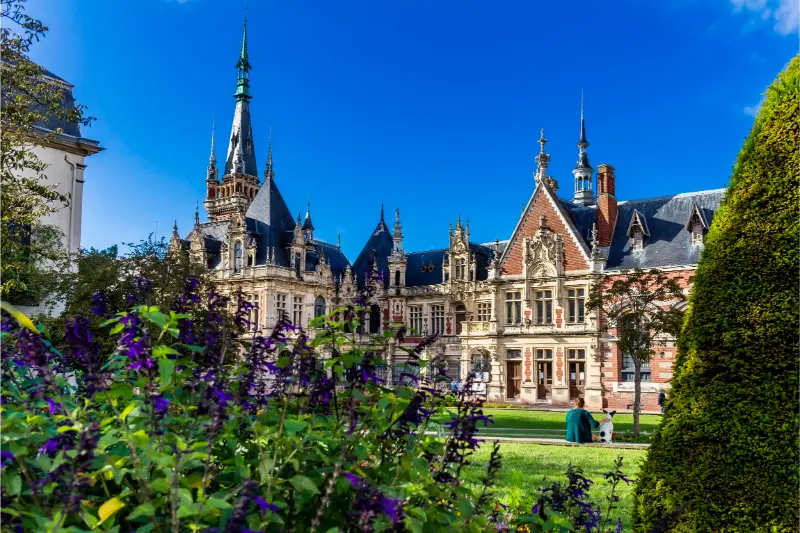
Normandy’s strength is contrast. You can move from Gothic Rouen to the open horizon at Étretat, from a quiet abbey on the Seine to the immense historical weight of the D-Day beaches, then finish in a harbour town over seafood and cider. The region is not defined by one visual style, which is why a good itinerary feels varied rather than repetitive.
The official regional tourism site highlights year-round travel, low-carbon options, family adventures, history, gastronomy, nature and major heritage. That breadth is useful, but it also creates the main planning challenge: you need to decide what your trip is actually about.
| Interest | Best areas |
|---|---|
| D-Day history | Bayeux, landing beaches, Caen |
| Cliffs and coast | Étretat, Fécamp, Dieppe |
| Medieval heritage | Rouen, Falaise, Mont-Saint-Michel |
| Food and countryside | Pays d’Auge, Camembert, Pont-l’Évêque |
| Wild coastline | Cotentin Peninsula |
| Impressionism and Seine | Giverny/Seine valley, Rouen |
How many days do you need?
Three days can introduce Normandy, but it forces strong choices. Five days creates a useful first trip; seven days lets you combine history, coast and Mont-Saint-Michel without changing hotels every night. Ten days opens the Cotentin, southern Normandy or slower countryside.
The mistake is using the extra days to add more destinations rather than more time. A full day around Bayeux and the landing beaches is more valuable than a half-day there followed by a long evening drive. Normandy rewards context, particularly at historical sites.
Best places for a first trip
Rouen belongs on a first itinerary for its cathedral, medieval streets and role as a regional capital. Bayeux is both attractive in its own right and the most useful base for D-Day exploration. Honfleur gives you a compact harbour atmosphere, while Étretat provides the cliffs many travellers associate with the Norman coast.
Mont-Saint-Michel is the iconic outlier. It sits far enough west that it deserves deliberate planning. The official tourism advice recommends quieter periods, weekdays and early or late hours when possible. Staying nearby can transform the experience because the site feels very different after day visitors leave.
D-Day: how to visit respectfully and without overload
The D-Day coast is not one attraction. It is a landscape of beaches, cemeteries, memorials, museums, villages and military remains spread over a wide area. Choose sites based on the story you want to understand rather than trying to stop at every named location.
Bayeux works well as a base. A guided tour can add context and reduce driving stress, especially for first-time visitors. If you travel independently, combine one museum, one cemetery or memorial and one landscape site rather than five museums in a row. Leave time to absorb what you have seen.
Mont-Saint-Michel: treat timing as part of the visit
Mont-Saint-Michel is physically small but logistically unusual. The approach, parking, shuttle or walk and the steep village streets all take time. Tides change the visual experience, though safe public access is managed separately from the dramatic tidal spectacle visitors imagine.
If the Mont is central to the trip, stay nearby or arrive early. The official tourism site specifically notes that mornings before 10:00 and evenings after 17:00 can be calmer, especially in summer. Do not schedule the Mont as a two-hour stop between Bayeux and somewhere else.
Where to base yourself
Rouen is the best urban base for eastern Normandy and the Seine corridor. Bayeux is the natural D-Day base. Caen offers more city services and a major memorial museum. Honfleur or Deauville suits a coastal break, while Granville or the Mont-Saint-Michel area works for the far west.
Two or three bases are enough for most first trips. Every hotel change has a cost in packing, parking and lost morning time. Use bases to create geographic clusters rather than moving whenever the map shows a different town name.
For a second price check, the Expedia search below can be useful when you want to compare flight-and-stay options or simply see a different accommodation inventory while planning Normandy travel guide.
Getting around by car and train
A car is valuable for D-Day sites, the Pays d’Auge, Cotentin villages and flexible coastal stops. Major cities can be reached by train from Paris, and a rail-based trip using Rouen, Caen, Bayeux or Deauville is realistic if you accept that some rural areas will require tours or buses.
If you rent a car, collect it after the first city stay when possible. Driving in central Rouen or arriving at a historic hotel with unclear parking is not always the best introduction. Use the car where it creates freedom, not where it creates friction.
When to visit Normandy
Normandy is a year-round destination with a generally mild climate, but each season changes the experience. Spring brings greener countryside and manageable visitor levels; summer has the longest days; autumn suits food, countryside and quieter travel; winter is calm but demands more attention to opening hours and weather.
If your priority is Mont-Saint-Michel, Étretat or Honfleur without peak crowds, shoulder season and weekdays are powerful planning tools. In summer, early and late hours matter more than trying to find a completely empty day.
Food and small experiences that improve the trip
Normandy’s food is not an optional side theme. Cheese, cider, seafood, butter, cream and apple-based products are part of the landscape and rural economy. A market lunch or farm visit can provide the kind of local context that another monument cannot.
Leave room for simple experiences: a harbour walk, an abbey ruin, a village bakery, a coastal path or a cider-country drive. The region becomes richer when you alternate major historical sites with smaller stops.
Useful guides to read next
If you are building a wider itinerary, these guides fit naturally with this article: Normandy road trip, Best towns and villages, Normandy without a car, Normandy food guide.
A note on realistic daily distances
Normandy is larger than many short-break itineraries imply. Motorway sections can be straightforward, but coastal roads, village centres and historical sites add time. Build the day around one geographic zone. A route that looks modest in kilometres can still be full once you include parking, museum visits, meals and the emotional pace of remembrance sites. For this guide, keep the main question — Normandy travel guide — at the centre of those trade-offs.
Reservations and flexibility
Reserve accommodation and any priority guided tour, especially around major events, summer weekends and commemorative dates. Keep secondary stops flexible because weather on the Channel coast can change quickly. A museum, cathedral or market can replace an exposed coastal walk without making the day feel like a compromise. For this guide, keep the main question — Normandy travel guide — at the centre of those trade-offs.
Official planning resource
For current practical information that may affect Normandy travel guide, check Normandy Tourism before your trip. Opening arrangements, transport services and event calendars can change, especially outside the main season.
Frequently asked questions
How many days should I spend in Normandy?
Five to seven days is ideal for a first trip. Three days works only if you focus on one or two themes, such as D-Day and Bayeux or Rouen and the coast.
Do I need a car?
A car is very useful for rural areas and D-Day sites. Major towns are accessible by train, so a partial car-free itinerary is possible.
Where should first-time visitors stay?
Bayeux is excellent for D-Day history, Rouen for eastern Normandy and the Mont-Saint-Michel area for the far west. Two or three bases usually work well.
Is Normandy only about D-Day and Mont-Saint-Michel?
No. The region also offers medieval cities, Impressionist landscapes, coastal cliffs, abbeys, seaside towns and a strong food culture.
One final planning principle
When refining this Normandy plan around Normandy travel guide, compare the value of another attraction with the value of unstructured time. A coffee stop, a market, a viewpoint or an early return to your base can be the moment that gives the day shape. The practical goal is not to maximise entries on a list but to keep enough margin for traffic, weather, meals and the places that deserve longer than expected. That margin is especially important on a first visit, when every transfer and parking system is new.
Final thoughts
A first trip to Normandy is better when you choose a few strong themes and connect them geographically. Five to seven days, two or three bases and a willingness to slow down at historical sites will show you far more than a rushed tour of every famous name.