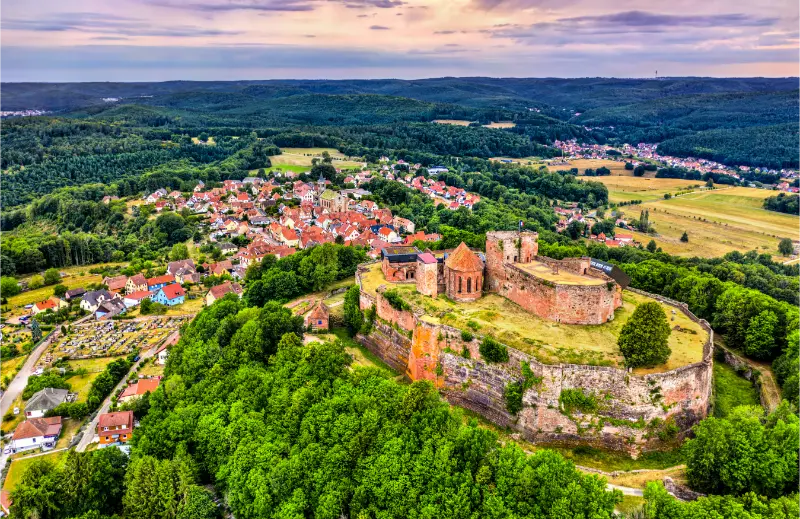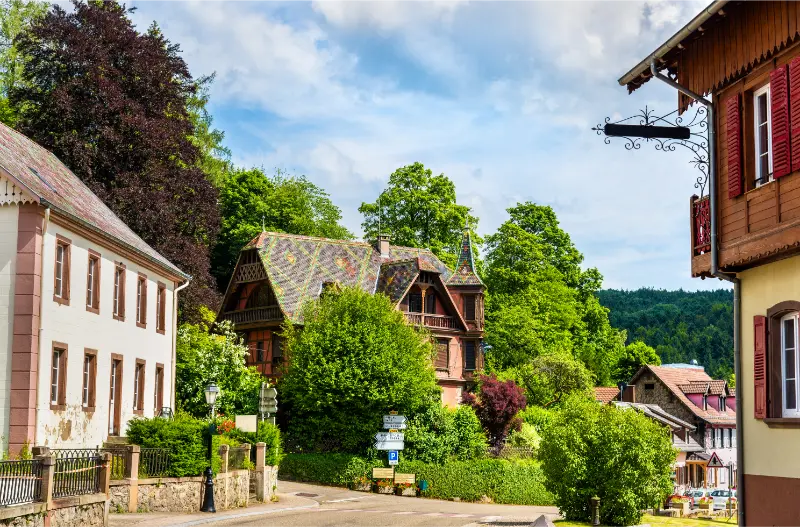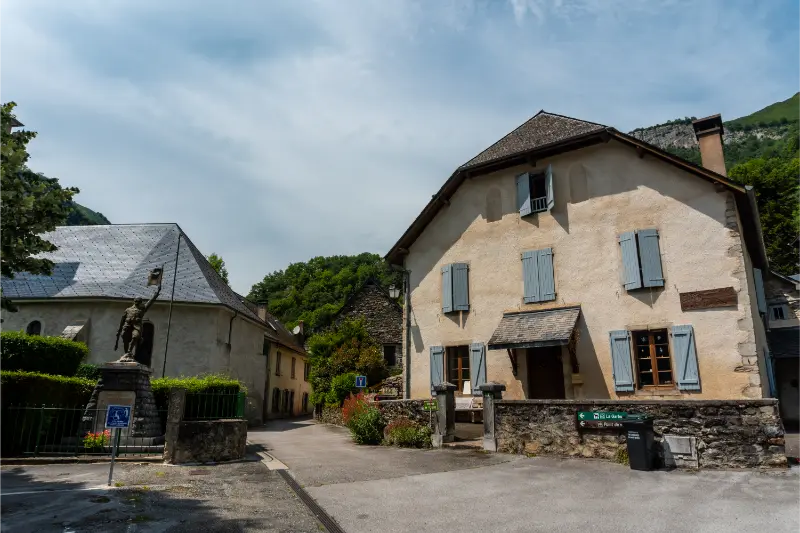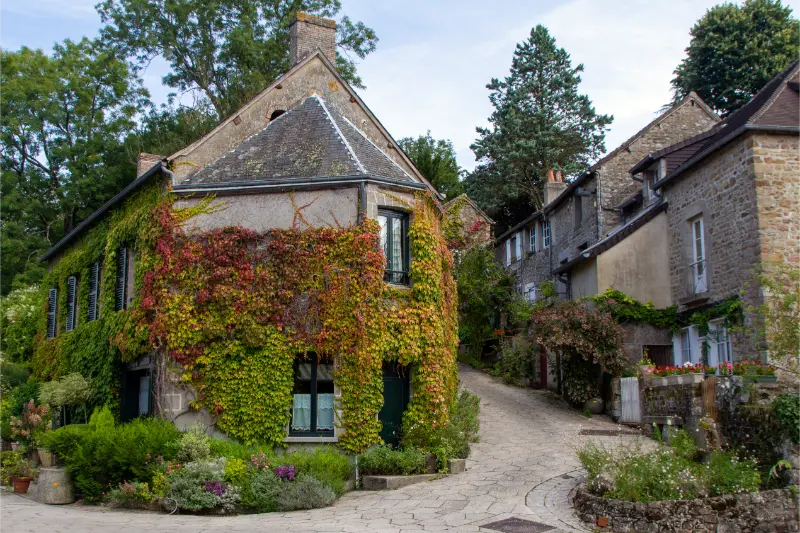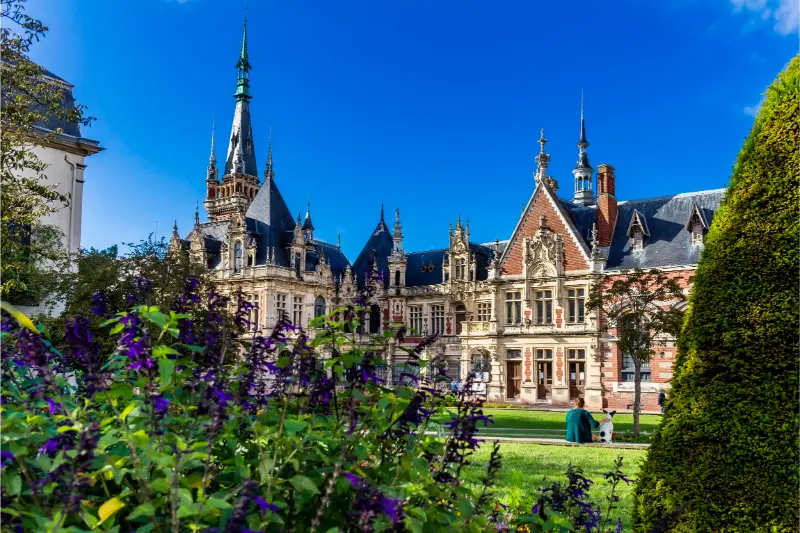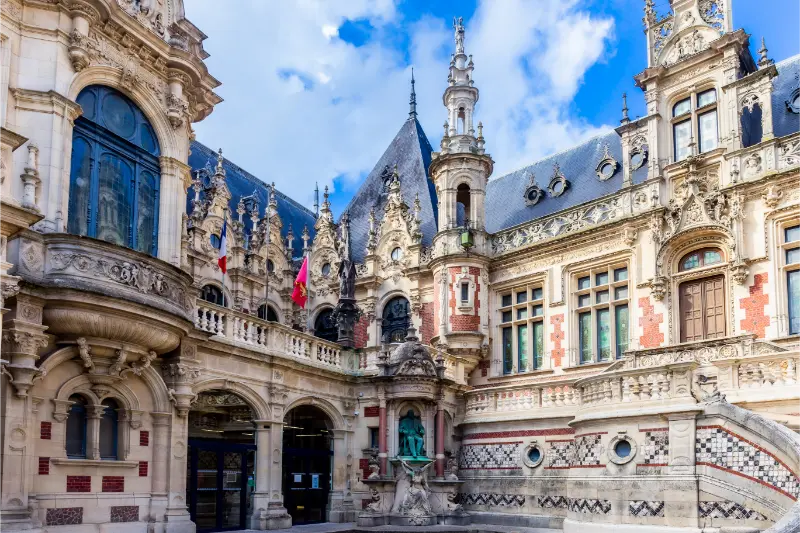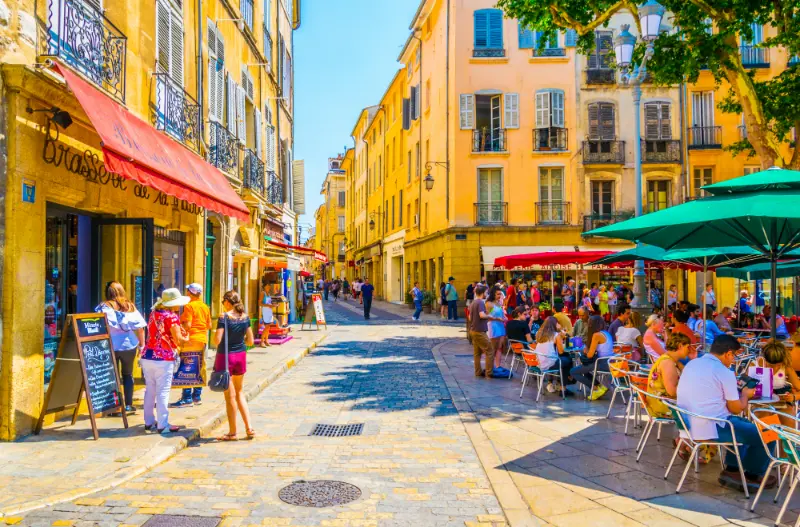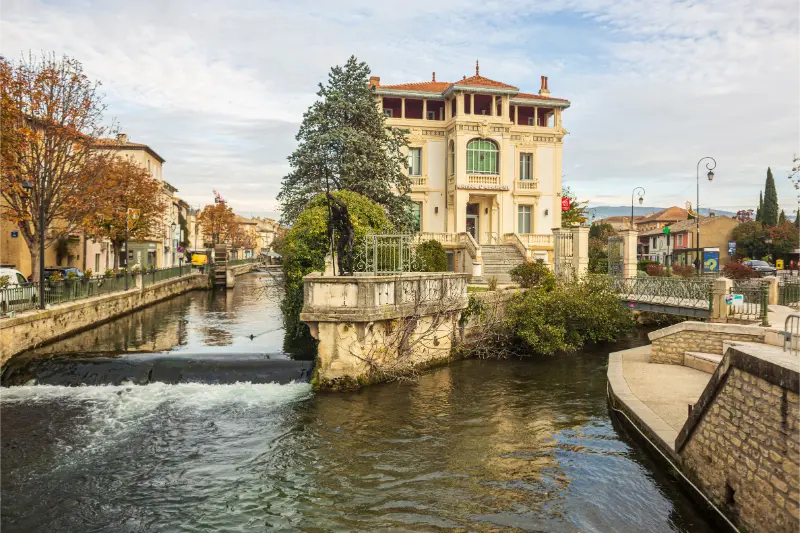
A Paris day trip succeeds when the destination offers a clear contrast and the transport leaves enough time to enjoy it. The shortest rail journey is not always the easiest: some attractions sit beside the station, while others require a bus, bicycle, shuttle or timed final connection.
These ten ideas range from palaces and cathedrals to gardens, Champagne heritage and medieval streets. Choose one according to season and interest, then verify the exact route on official sites. I would never book a non-refundable attraction before confirming how the first and last kilometres work.
Quick planning overview
| Easiest palace | Versailles, with advance planning |
| Best art and gardens | Giverny in its opening season |
| Best wine heritage | Reims |
| Best medieval town | Provins |
| Planning rule | One destination, one principal attraction |
Ten train-friendly escapes from Paris
Versailles and Fontainebleau
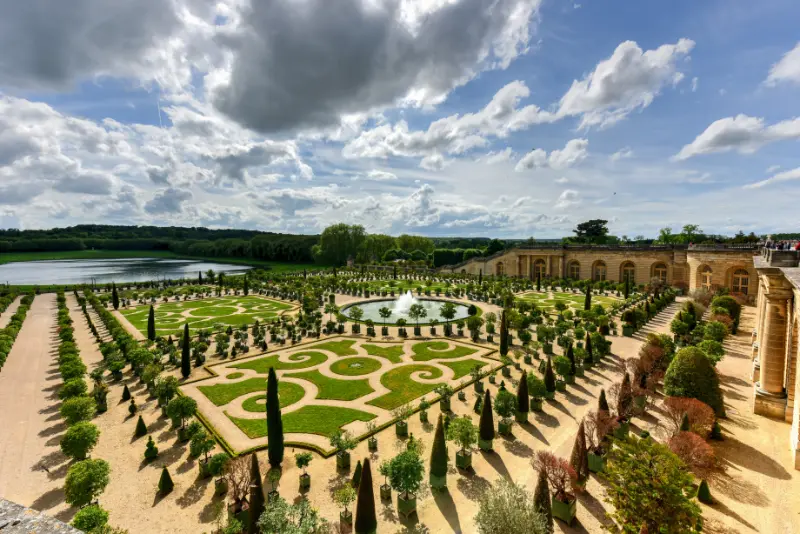
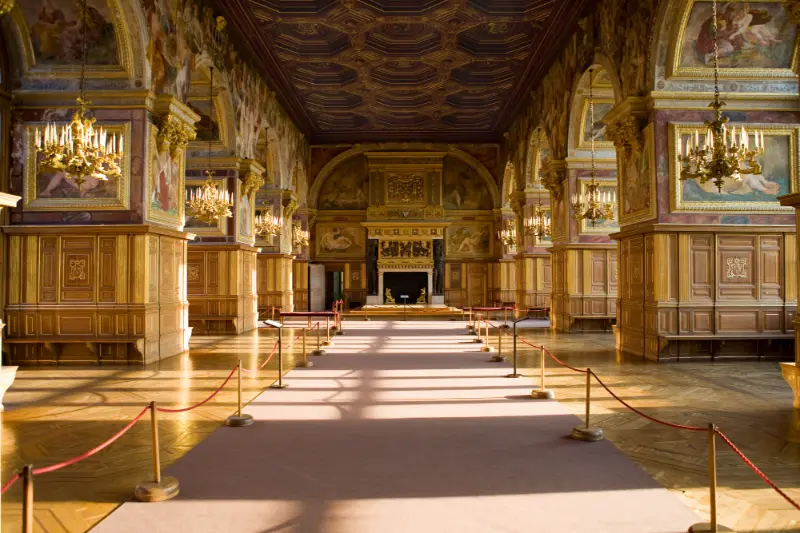
Versailles delivers unmatched royal scale, formal gardens and crowds; Fontainebleau offers a long palace history and a town beside a vast forest. Both deserve most of a day.
My practical advice: For Versailles, check the correct station and garden programme. For Fontainebleau, plan the bus from the rail station and do not assume the palace is beside the platform.
Giverny and Auvers-sur-Oise
Giverny focuses on Monet’s house and seasonal gardens, reached through Vernon-Giverny plus a final connection. Auvers-sur-Oise connects visitors with Van Gogh and a walkable artists’ landscape.
My practical advice: Both are seasonal in different ways. Reserve official entrances and verify museum openings, then keep weather protection for outdoor routes.
Reims and Chartres
Reims combines a major Gothic cathedral with Champagne houses and Roman history. Chartres offers another exceptional cathedral in a smaller city that can be explored largely on foot.
My practical advice: Book Champagne visits before travelling and do not taste on an empty stomach. In Chartres, check services and events that affect visitor access.
Chantilly and Saint-Germain-en-Laye
Chantilly pairs an art-rich château with gardens and equestrian heritage; Saint-Germain-en-Laye offers a château museum, historic streets and broad Paris views with a simple suburban journey.
My practical advice: Chantilly may require walking or a local connection from the station. Saint-Germain is the lighter choice when you want flexibility rather than a full attraction day.
Provins and Rouen
Provins provides medieval walls, towers and seasonal performances; Rouen adds cathedral architecture, old streets and Normandy history within a larger living city.
My practical advice: Check Provins event calendars and return trains. In Rouen, select a small group of sights instead of treating the city as only a cathedral stop.
Disneyland Paris as a different kind of day
The resort is the simplest choice for travellers whose priority is the parks, with direct regional rail from central Paris areas. It is not a substitute for a historic day trip, but it belongs in an honest comparison.
My practical advice: Buy only through official channels, check park hours and allow for security and the final late journey with tired children.
How to choose among them
First visit to Paris
Choose Versailles only if you can spare a full day; otherwise keep the day in Paris and save the excursion for a longer stay.
Art-focused trip
Giverny, Auvers or Chantilly adds context to museum collections and works best when seasonal openings align.
Architecture and history
Chartres, Rouen, Reims and Provins each offer a distinct period; choose the one that complements rather than repeats your Paris days.
Low-stress option
Saint-Germain-en-Laye provides flexibility and a short return, while major palaces require more queues and advance decisions.
Where to stay
A day trip does not require changing hotels. Stay in Paris near the station or RER line that serves your chosen destination, but do not select a whole Paris base around one excursion. If two regional destinations matter, an overnight outside Paris may reduce backtracking and reveal the place after day visitors leave.
Compare accommodation in Paris on Booking.com
Getting around
Paris has several mainline stations, and the same destination can involve suburban rail, TER, high-speed train or a local bus. Search the complete journey and check fare conditions, station names and the last return. Leave transfer margin when tickets are separate. Engineering work often affects weekends, so recheck shortly before travel.
Food and everyday rhythm
Palace cafés and attraction zones can be crowded and expensive. Identify a town-centre lunch alternative or carry a permitted picnic, respecting rules in gardens and museums. Reims requires responsible tasting and a booked appointment. Smaller towns may have limited service on Sundays or between lunch and dinner, so avoid relying on late improvisation.
Budget and booking strategy
Advance high-speed fares to Reims may differ sharply by time, while suburban trips use another ticket structure. Add local buses, attraction admission and mandatory reservations before comparing. A Paris sightseeing or transport pass does not automatically cover distant zones or mainline trains. Official combination tickets are useful only when every included element fits.
How I would prepare before departure
For day trips from Paris, the key map is not a circle of nearby attractions but a set of rail corridors. Versailles depends on the right suburban station for the entrance you plan to use; Fontainebleau requires an onward journey from Fontainebleau-Avon to the palace. Giverny similarly needs a connection after reaching Vernon-Giverny. Reims and Rouen use mainline routes whose cost and schedules differ from city transit. I would pick one destination and work backwards from its entrance time, then choose the departure station and train. The most efficient outing may be the one with the fewest transfers, even when another destination appears closer.
Reservation strategy depends on the attraction. Versailles Palace uses timed entry, while the garden programme can involve separate conditions on musical fountain or garden days; its official 2026 calendar runs special programming through autumn. Monet’s garden at Giverny has a distinct seasonal opening pattern, so it is not a reliable winter alternative. Fontainebleau’s palace and Chantilly’s estate each need their own admission checks, and Champagne-house visits in Reims should be arranged in advance. For Rouen and Chartres, a flexible architectural stroll may be possible without reserving the whole day, although individual museums and cathedral services still have schedules.
A wet forecast can change which Paris day trip is worthwhile. Fontainebleau or a major palace may offer extensive indoor history, but gardens and long outdoor approaches still require weather protection. Rouen’s museums and compact historic streets can suit a cooler day, while Giverny’s principal appeal is strongly seasonal and outdoors. In extreme heat, a day of exposed palace gardens may be more tiring than planned; consider shorter garden time and hydration. Do not use a nonrefundable ticket for a landscape-first excursion as the centerpiece of a day when the forecast is already poor, unless you are comfortable with that trade-off.
Accessibility and responsible travel
Accessibility is not defined by whether the train station has an elevator. Versailles involves a sizable estate after rail arrival, and not every historic path is level. Fontainebleau and Chantilly add transfers or approach walks beyond the train platform. Giverny’s last-mile connection, village paths and gardens also need checking. If someone uses a wheelchair or cannot stand for long, consult both the transport operator’s assistance procedures and the monument’s specific accessible visitor route. A direct trip to Saint-Germain-en-Laye may be easier for a less strenuous outing than an ambitious palace-plus-gardens day with long queues.
Day trips are a chance to spread visitor spending beyond Paris, but they still affect small towns. In Giverny and Provins, stay on marked visitor routes, respect private homes near popular photo spots and avoid blocking residential doorways. At palace estates, follow picnic and garden rules and do not enter lawns or groves closed for maintenance. By rail, check return services in advance so you are not pushed toward an expensive emergency taxi after staying late. Buy from local bakeries and independent shops when convenient rather than treating an entire town as the backdrop for a single famous doorway.
Mistakes I would avoid
- Assuming the attraction is beside the destination station
- Booking two major towns in one day
- Missing the last local bus to the train
- Using an unofficial attraction-ticket reseller
- Ignoring weekend engineering work
A common mistake is trying to link two big destinations into one day because the rail map suggests they are both ‘outside Paris.’ Versailles and Fontainebleau lie in different directions and each demands time. Reims is not a casual RER outing, and a cheap suburban ticket will not necessarily cover a high-speed service. Giverny’s station is outside the village; forgetting the last connection can ruin a seemingly simple plan. A second trap is choosing only the earliest train without checking the final museum admission and the last realistic return. Build the trip around an actual visit duration, lunch and the transfer back.
Frequently asked questions
What is the easiest day trip from Paris?
Versailles has frequent connections but significant visitor logistics. Saint-Germain-en-Laye is simpler for a flexible half or full day.
Can I visit Giverny year-round?
No. The principal house and gardens operate seasonally, so check the official opening calendar.
Should I book trains in advance?
High-speed and some mainline fares benefit from advance booking. Suburban services work differently; verify the exact operator and ticket.
Can I combine Versailles and Giverny?
Not comfortably by public transport in one day. Each deserves its own visit and their cross-country connection is inefficient.
Useful official resources
For an accurate choice, consult SNCF Connect and the relevant Île-de-France transport information for the complete door-to-door journey, then verify each attraction’s own admission calendar. The Palace of Versailles publishes musical garden and fountain dates and ticket conditions. Fondation Monet provides Giverny’s seasonal visitor guidance. Champagne producers set individual tour slots in Reims, while Rouen and Chartres tourist offices cover local events that may affect monument visits. I would save the return journey and any second leg after the station as clearly as the outbound booking. Those are the connections most frequently omitted from travel summaries.
Continue planning your trip
For the next step, read the four-day Paris itinerary, France by train, the Champagne route and where to stay in Paris. These guides are designed to connect into a slower, more realistic France itinerary.
Paris’s best day trips offer contrasting experiences. Versailles tells a story of royal power and designed landscape; Fontainebleau connects palace history to a forest setting; Reims pairs Gothic architecture with the Champagne region. Rouen offers Norman urban history, and Chartres rewards patient attention to architecture and stained glass. Giverny is most meaningful when the season supports the gardens, while Auvers-sur-Oise connects art to the places where painters lived and worked. Choose the contrast that matters to you, not merely whichever destination appears first in a ranking of ‘must-see’ trips.

A final decision checklist
I would divide the options into four traveler needs. For a grand palace, select Versailles or Fontainebleau, but not both on the same day. For art in its landscape, choose Giverny in season, Auvers or Chantilly. For a small historic center, think Chartres, Rouen or Provins. For wine heritage, give Reims enough time for the cathedral and one properly reserved house. Saint-Germain-en-Laye works well when flexibility is more valuable than an all-day monument. Once the category is clear, price the full excursion with transport and entry instead of comparing train times alone.
The final checklist starts with stations: the exact Paris departure point, the correct destination stop and any onward bus, shuttle or walk. Then check that you have a return option after your planned visit ends, especially on Sundays and holidays. Download a separate ticket for the attraction where required; a rail reservation is not entry to a château. For Versailles, check whether your chosen date falls on a programmed garden day. For Giverny, verify seasonality; for Reims, confirm the house appointment. Finally, keep some time in Paris after returning instead of scheduling another nonrefundable event immediately.
The excursion should work for the least energetic person in the group. A child may prefer an interactive or open-air experience over several hours of formal palace rooms; older travelers may value seating, lunch and short transfers. A traveler using mobility aids should choose after checking both transport accessibility and the destination’s route. If the weather turns or a train is disrupted, it is sensible to stay in Paris and visit a museum there instead of forcing a complicated day. A successful day trip adds a new dimension to the holiday without exhausting the following day’s city plans.
\n\n\nMore Paris planning: Giverny day trip · Disneyland Paris · Fontainebleau day trip
\n