
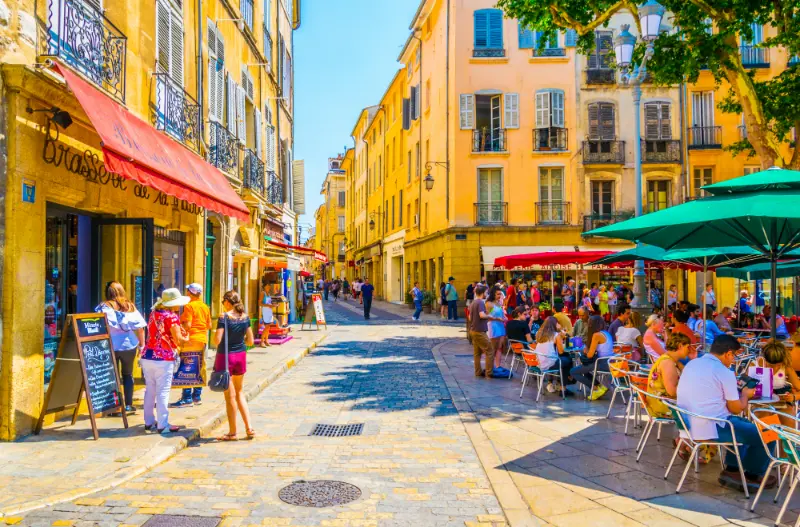
Provence without a car is possible, but it becomes much easier when you stop trying to reproduce a road trip. Rail works well between the major cities, while regional ZOU! buses fill some important gaps to Saint-Rémy, Apt and parts of the Luberon. The result is a different trip: fewer villages, more time in each base and much less parking stress.
For a first car-free week I would build around Avignon, Arles and Aix-en-Provence. These three places already contain enough history, food and evening life for a full trip, and each offers day-trip options. Use our Avignon, Arles and Aix guides for destination depth.
Do not design the week from Google Maps alone. Rural bus timetables change seasonally, some routes are infrequent, and Sunday service can be limited. Always check the official ZOU! timetable for the exact travel date.
Quick planning overview
| Best for | Travellers who prefer trains and buses, city bases, slower travel and no parking. |
| Recommended bases | Avignon 3 nights, Arles 2 nights, Aix-en-Provence 2 nights. |
| Key network | TER/SNCF for major rail links; ZOU! for regional buses and rural connections. |
| Main compromise | You will see fewer remote villages and should not plan multiple rural stops in one day. |
Why a car-free Provence trip works
Avignon, Arles, Marseille and several other cities sit on useful rail corridors. Aix is connected through regional transport even though the high-speed station is outside the centre. Once you accept cities as bases, many classic experiences become straightforward on foot and by public transport.
The trip fails when travellers insist on visiting Gordes, Roussillon, Sénanque, Valensole and the Verdon in the same week without a vehicle. Those places are possible in parts, but connections can consume the day.

Use the official networks
The regional ZOU! timetable pages publish current bus sheets. In September 2026, for example, routes include Avignon–Apt–Forcalquier, Apt–Gordes, Apt–Bonnieux and Avignon–Saint-Rémy–Arles connections.
Timetables are operational documents, not travel inspiration. Check the exact date, direction, school-day notes and seasonal validity. Save the PDF or screenshot the relevant journeys before leaving your hotel in case mobile reception is poor.
Days 1–2: Avignon
Spend the first two days entirely in Avignon. Walk the Palais des Papes area, Pont Saint-Bénézet, old streets, markets and Rhône banks without carrying luggage between sights. A city-first start is also useful after a long rail journey.
Our 3 days in Avignon itinerary is intentionally car-light and can be shortened to two days. Do not rush into the Luberon on the first morning just because you are excited to see villages.
Day 3: Saint-Rémy or a Luberon bus day
From Avignon, ZOU! services can connect toward Saint-Rémy-de-Provence, while other routes reach Apt and Luberon villages with transfers or limited direct patterns. Choose one branch of the network and return to Avignon the same evening.
Saint-Rémy is the simplest thematic day because the town, Glanum and Van Gogh associations are concentrated. Use our Saint-Rémy guide and verify the current bus before committing to a timed museum or dinner reservation.
Days 4–5: Arles
Move by regional rail to Arles and stay two nights. Roman monuments, the historic centre and photography culture are all walkable, so the city rewards travelling without a vehicle rather than making you feel limited.
On the second day, choose either more Arles or an organised Camargue excursion. Public transport into wetlands does not offer the same flexibility as a car, and a guided trip can be more efficient when wildlife and remote landscapes are the goal.
Day 6: transfer toward Aix
Travel from Arles toward Aix using the current rail/bus combination that best fits the timetable. Do not assume a direct city-centre train because Aix transport involves different stations and regional connections.
Use the transfer day for a relaxed evening rather than trying to add a full attraction after arrival. Check in, walk Cours Mirabeau and explore one neighbourhood.
Day 7: Aix-en-Provence
Aix works extremely well without a car. Markets, fountains, the cathedral area and central Cézanne sites are walkable, while local buses can extend the day toward Sainte-Victoire-related stops depending on season and route.
Use the Aix travel guide for a full day, then depart from Aix or connect onward to Marseille depending on your transport home.
Can you visit the Luberon without a car?
Yes, selectively. Current ZOU! routes connect Apt with places such as Gordes and Bonnieux, and Avignon–Apt services create an entry point. The problem is not impossibility but frequency: missing one bus can remove the next village from the day.
Choose one village plus Apt rather than a chain of three or four. In high season, a small-group tour from Avignon is another option when public transport would turn a simple route into several hours of waiting.

Can you visit Sénanque without a car?
Public transport gets you closer to Gordes than to the abbey valley itself. Unless a seasonal shuttle or tour is operating on your date, the final access is awkward without private transport.
If Sénanque is essential, compare a guided excursion or taxi arrangement and read our Sénanque Abbey guide before booking. Do not build an entire car-free day around an uncertain last-mile connection.
Tickets and booking strategy
Book long-distance trains early when fares matter, but keep rural bus days flexible until you have the current timetable. A refundable hotel rate can also help if a strike or transport disruption requires changing the order of bases.
Do not prepay three rural attractions on the same day. Public transport travel works best when only one element is fixed and the rest can move around delays.
Luggage
Three bases are enough for a week. Every extra hotel change means stairs, station transfers and check-in windows. Pack lighter than you would for a road trip and choose accommodation within walking distance of stations or a simple local bus.
An attractive farmhouse several kilometres outside town defeats the purpose of a car-free itinerary. Location is more important than a swimming pool when every dinner requires transport.
Where to stay in each base
In Avignon, compare stays near the historic centre or Avignon Centre station with compare places to stay on Booking.com. In Arles, stay within walking distance of the centre and station. In Aix, prioritise the central bus connections rather than the TGV station area.
Read the map carefully before booking. A hotel marketed with a famous city name can still be in a suburban commercial zone that is inconvenient at night.
Food and evening planning
Car-free travel makes dinner easier because nobody needs to drive. Use that advantage: choose accommodation in walkable neighbourhoods and enjoy a glass of wine only after the day’s transport is finished.
Market mornings also become simpler when you are not carrying purchases in a hot car. Our Provence markets guide helps match market days to the bases.
When to choose a rental car instead
If your priorities are lavender fields, multiple Luberon villages, remote wineries, sunrise photography or the Verdon, rent a car for two or three days rather than forcing the entire trip onto buses. You can still keep the city portion car-free.
The most efficient compromise is often train to Avignon, several days without a vehicle, then a short rental period for the countryside. That avoids paying for parking while retaining rural freedom.
A final planning rule
Build every rural day around the last return bus, not the first outbound bus. Knowing the final safe connection tells you how much flexibility you really have and prevents expensive evening taxis.
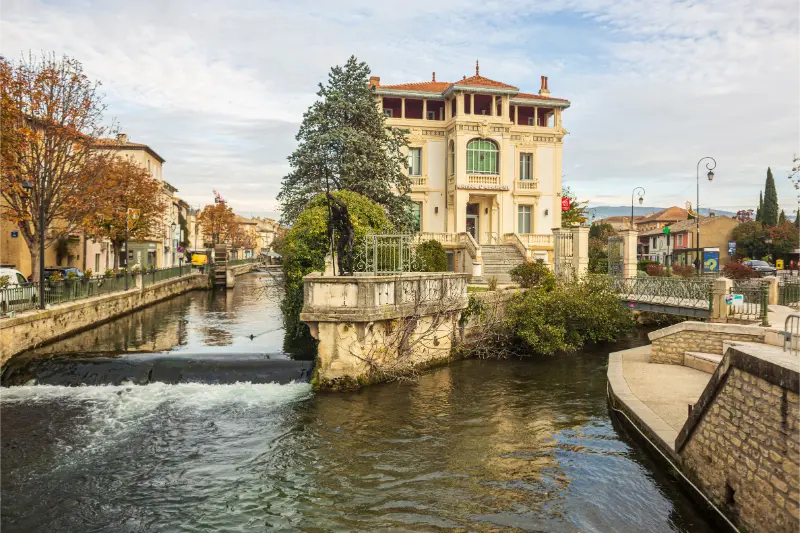
Public transport Provence is slower but not lesser. Fewer destinations, longer stays and walkable evenings can produce a more relaxed trip than a road itinerary with constant parking and navigation.
How to read a rural bus timetable
Check both the route number and the validity dates printed on the timetable. A service that runs on school days may disappear during holidays, while a summer timetable can be replaced in September. Look for footnotes, reservation requirements and whether the stop is served in both directions.
Plan the return before leaving your base. Save a screenshot of the exact departures you intend to use and note one earlier fallback connection in case a museum visit or lunch finishes sooner than expected.
What to do when a connection fails
If a rural bus is cancelled or missed, simplify the day rather than trying to rescue the original plan with multiple expensive taxis. Stay longer in the town where you are, return to the base on the next reliable service and move the missed village to another trip.
Travel insurance and flexible reservations can help with larger disruptions, but most day-to-day problems are solved by leaving slack in the schedule rather than by buying more tickets.
Accessibility on a car-free route
Public transport can reduce driving stress but does not automatically make a trip more accessible. Historic centres have cobbles, stations may involve stairs and rural stops can lack shelter. Check station assistance and local accessibility information if mobility is limited.
Choose hotels close to transport and avoid changing bases too often. A slightly more expensive central room can save repeated taxi costs and long walks with luggage.