

Alsace in winter has two distinct seasons: the famous Christmas period, when Strasbourg, Colmar and Wine Route villages become some of France’s busiest festive destinations, and the quieter January–February period, when the same towns return to a slower rhythm.
Visit Alsace describes winter as a season of illuminated towns, Christmas markets, bredele, gingerbread and warm winstubs. After the markets close, the region is calmer but requires more careful planning around opening days and mountain weather.
Quick planning summary
- For Christmas: book early and expect crowds.
- For quiet travel: January–February can be rewarding in Strasbourg and Colmar.
- Use cities as reliable bases outside the festive period.
- Treat the Vosges as a winter mountain environment, not a normal summer driving route.
- Build the trip around food, museums, architecture and short walks.
Christmas markets without overload
Choose one major market city and one or two village markets rather than collecting them. Strasbourg and Colmar each justify a full day, and the evening atmosphere is part of the experience.
Public transport can be easier than driving when village centres restrict traffic.
Strasbourg in winter
The cathedral, museums, Petite France and Neustadt give Strasbourg enough depth for poor weather. After Christmas, the city still works as a city even when rural attractions reduce hours.
Use clear daylight for walking and keep museums for late afternoon.
Colmar and the Wine Route
Colmar remains beautiful after decorations come down, but some smaller villages are much quieter. This is attractive if you want photography and architecture without summer crowds.
Check restaurant days carefully; winter closures can concentrate choices.
Where to stay in winter
Strasbourg is the safest all-round winter base for transport, restaurants and bad-weather alternatives, while Colmar gives quicker access to the Wine Route villages. In December, location matters more than usual: being able to walk or use public transport can save time when central streets are busy and parking is restricted.
Food as part of the winter trip
Winstubs, choucroute, baeckeoffe, tarte flambée and pastries suit cold days and give the itinerary structure. Reserve special dinners in advance during December.
In January and February, confirm opening before travelling to a small village specifically for one restaurant.
Vosges and snow
The mountains can add snow, cross-country skiing and winter walks, but conditions vary. Mountain roads and trail plans require current information.
If you are not equipped for winter driving, keep the trip on the plain and use towns, museums and vineyards instead.
A 4-day winter itinerary
Spend two days in Strasbourg, move to Colmar for two days, and use the clearest day for a village or castle excursion. During Christmas season, substitute an evening market circuit; later in winter, focus more on museums and food.
This keeps the plan resilient if weather closes a mountain option.
Treat December and January as two different trips
December is the famous Alsace of lights, markets, mulled wine and busy historic centres. January and February are quieter, colder and more local, with far fewer visitors but also reduced opening at some seasonal businesses. Decide which version you want before booking. A traveller expecting empty streets in mid-December will be disappointed; a traveller expecting Christmas-market intensity in late January will be equally surprised.
The advantage of the quieter period is space: Strasbourg museums, Colmar’s streets and traditional restaurants can be enjoyed at a slower pace, provided you check opening days.
How to plan Christmas markets without market fatigue
Choose one major city market experience and one or two village experiences rather than chasing every famous name. Strasbourg delivers scale and evening atmosphere; Colmar concentrates decorations across a walkable centre; smaller Wine Route villages can feel more intimate but are operationally harder at peak times. Travel and parking systems may change during the festive period, so follow official local instructions rather than relying on a summer route plan.
Visit a village earlier in the day, then return to Strasbourg or Colmar for evening lights. This gives you two different moods without spending the whole day in crowds.
Book the right things early
For late November and December, central accommodation is the priority. Once the hotel is fixed, reserve any special restaurant or event that matters to you. Ordinary sightseeing can remain flexible. This order prevents a common mistake: buying several timed activities and then discovering that affordable accommodation is only available far from the evening atmosphere you came to experience.
If driving, confirm parking with the property before arrival. Historic-centre access can be restricted during major festive periods, and “parking nearby” may not mean the same thing in December as in spring.

What winter weather means for the Wine Route
Cold, fog and occasional snow can make the vineyard landscape beautiful, but they also shorten the useful outdoor day. Plan villages in compact clusters and avoid a long mountain drive after dark. Footwear matters because cobbles and slopes can become slippery. If the forecast is poor, keep the day around Colmar and nearby villages rather than committing to the Vosges.
Snow at low elevation is never something to assume. If a snowy mountain day is important, check conditions close to travel and be ready to substitute a castle, museum or food-focused route.
Strasbourg and Colmar work well even after Christmas
Strasbourg has the strongest year-round urban offer: cathedral, museums, riverfront neighbourhoods, restaurants and easy transport. Colmar is smaller but rewarding for a slow winter day, especially when the historic centre is no longer at Christmas capacity. A two-city winter break can therefore work perfectly well in January or February without any market programme.
Use the clearest day for a Wine Route excursion and the wettest day for the city with the museum you most want to see. Winter itineraries improve dramatically when the order remains flexible.
Food becomes part of the attraction
Winter is an excellent season for Alsatian comfort food, but pace the meals. Tarte flambée, choucroute, baeckeoffe, munster and pastries can make a day feel heavier than expected. Alternate a substantial traditional meal with lighter bakery or market lunches, especially if you are walking through several villages.
If you plan wine tastings, do not stack them onto icy-road or mountain days. Stay in one village longer, use a designated driver or choose a guided option. The winter setting is part of the experience; there is no advantage in rushing from cellar to cellar.
A four-day winter structure that works
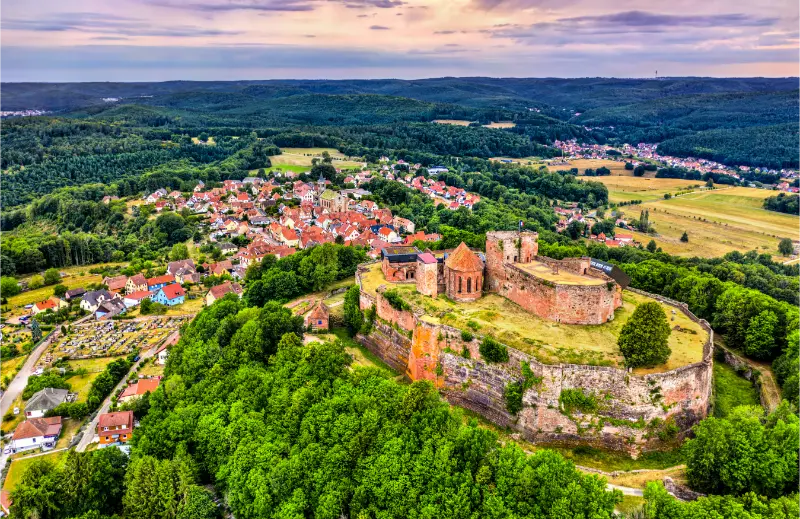
Day one: Strasbourg and an evening in the historic centre. Day two: Colmar, with a slow lunch and museum or market depending on season. Day three: one Wine Route cluster—Eguisheim and Turckheim, or Kaysersberg and Riquewihr—chosen according to transport and weather. Day four: keep flexible for Haut-Koenigsbourg, another village, a Vosges outing if conditions are good, or extra city time. In December, add market evenings; in January and February, replace them with restaurants, museums and quieter walks.
Packing and transport decisions that matter in winter
Wear shoes with good grip and pack layers that work both outdoors and inside heated restaurants or museums. A waterproof outer layer is more useful than carrying an umbrella through crowded Christmas streets, and gloves make evening markets far more pleasant. If you are driving, check winter equipment requirements and local road conditions for the route you intend to use, especially before heading into the Vosges. Do not assume a dry road in Colmar means the mountain route is equally simple.
Train travel between Strasbourg and Colmar is particularly attractive in winter because it removes parking and weather stress from the two main cities. Use a car only for the day when villages, castles or mountain landscapes justify it. Around Christmas, official shuttles and temporary traffic plans may be more useful than driving directly into famous villages, so review the current local arrangements shortly before travel.
Keep one afternoon deliberately unbooked. Short daylight, weather and festive crowds can slow the trip, and that free block prevents a delayed lunch or snowy road from knocking over the rest of the itinerary.
When to abandon the original plan
If freezing rain, heavy snow or poor visibility affects the Vosges, change the day rather than treating the itinerary as a commitment. Strasbourg and Colmar have enough indoor options to absorb a weather day, and the mountains will still be there if conditions improve. The same rule applies to Christmas congestion: if a village car park is saturated, move to a different stop instead of spending an hour in traffic for the sake of a famous name.
Winter travel is at its best when the plan has priorities rather than obligations. Protect the experiences that matter most, then let weather and crowd levels decide the order.
Plan around winter access
A winter trip needs a different pace from a summer wine-route itinerary. The Alsace overview is a useful starting point, while where to stay in Alsace helps compare access to evening markets and rail stations. Adapt the seven-day route to shorter daylight hours, or use the car-free guide to keep transfers straightforward.
Official information
Check the official regional tourism website for the Christmas-market calendar rather than assuming every market runs through January. For a January or February trip, verify the opening hours of museums, gardens and village attractions separately.
Final thoughts
For Christmas-market weeks, stay near a useful station or within walking distance of the evening streets you most want to see. January and February are quieter but require a different plan: short walks, museums and flexible indoor stops matter more than market-hopping. Allow for cold mornings, early dusk and seasonal closures rather than copying a summer itinerary.
Tours & activities
Last updated: 21 October 2026