
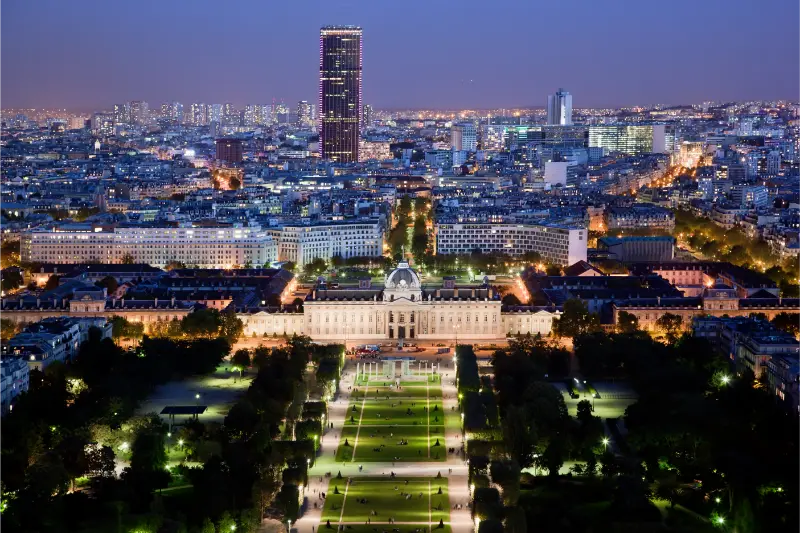
Paris in winter is quieter, darker and more indoor-focused than the version most travel brochures sell, and that can be a major advantage. Museums feel more natural, cafés become part of the day rather than a quick stop, bare trees reveal architecture, and blue hour arrives early enough to see the city illuminated before dinner.
The season also requires better planning. Rain, wind, short daylight and occasional cold snaps can make an overpacked outdoor itinerary miserable. The right strategy is to alternate short walks with warm interiors and keep at least one weather-flexible day.
When is winter in Paris?
Meteorological and astronomical definitions differ, but for trip planning think mainly about December, January and February, with early March sometimes still feeling wintry. Paris je t’aime notes that the official winter season runs roughly from the December solstice to the March equinox.
December is shaped by Christmas and New Year crowds. January is often calmer after the holidays and includes winter sales. February brings Valentine’s Day and school-holiday periods that can change family travel patterns.
What weather should you expect?
Expect cool days, colder evenings, rain and occasional wind. Snow is possible but relatively rare and usually does not stay for long. The official tourism office notes an average winter daytime temperature around 7°C, although individual days can be colder or milder.
Pack for dampness rather than fantasy snow: waterproof outer layer, comfortable shoes with grip, gloves and layers you can remove inside museums.
The best reason to visit in winter: pace
Winter gives you permission to slow down. A two-hour museum, long lunch and one evening walk can feel like a complete day rather than an underachieving itinerary.
If you are visiting for the first time, keep the icons but reduce the number per day. Our first-time Paris mistakes guide explains why tightly chained reservations fail even faster in bad weather.

Museums are the obvious strength
The Louvre, Musée d’Orsay, Orangerie, Rodin interiors, Picasso Museum and dozens of smaller museums become natural winter anchors.
Do not respond to cold weather by booking three giant museums in one day. Alternate scale. For example, Louvre in the morning, lunch, then a neighbourhood walk and café. Or Musée Picasso followed by the Marais.
Use our Paris museum strategy to avoid museum fatigue.
Covered passages for cold or wet afternoons
The 19th-century covered passages around Grands Boulevards are one of the best winter walks because you can move between sheltered galleries and short outdoor sections.
Galerie Vivienne, Passage des Panoramas, Jouffroy and Verdeau create a compact route with cafés and shops nearby. See our covered passages walking guide.
Winter walks still matter
Do not stay indoors for the entire trip. Cold clear days can produce excellent views and crisp light. Montmartre, the Seine, Luxembourg Gardens and the Marais all work in winter if you shorten the walking blocks.
A useful pattern is 60–90 minutes outside, then a warm stop.
Seine cruises in winter
A covered boat can be a good cold-weather activity, especially when it gets dark early. Check whether the vessel has enclosed heated seating and how much time you actually spend outside.
Evening cruises can show illuminated monuments without requiring a long exposed walk. Our Seine cruise guide compares timing and route considerations.
Paris in December
December is the most festive and often the busiest winter month. Illuminations, department-store windows, Christmas markets and seasonal shows create a strong atmosphere from mid-November onward.
Accommodation around weekends and New Year can be expensive. If Christmas is the main reason for travelling, book early. If you simply want winter Paris, January may offer better value.
Our Christmas in Paris guide covers the 2026 festive season in detail.
Paris in January
January is one of the most interesting months for travellers who prioritise museums and restaurants over parks. After the New Year period, some attractions feel calmer. Winter sales also begin during the month under the French retail calendar.
Days are short, so schedule your most important outdoor view around the best weather window rather than automatically at 17:00.
Paris in February
February can combine cold weather with a more romantic atmosphere around Valentine’s Day. Museums, theatre, jazz, dinner and Seine walks all fit naturally.
If you are travelling as a couple, our romantic Paris guide builds a realistic itinerary without turning every activity into an expensive package.
Winter sales
France regulates sale periods, and Paris’s winter sales typically begin in January. Exact dates are published each year. If shopping matters, verify the current calendar before booking a trip around it.
Department stores can be useful on poor-weather days even when you are not shopping seriously. Our Paris shopping guide compares department stores, boutiques and vintage areas.
Warm places that are actually worth entering
A good winter itinerary includes intentional warm stops rather than emergency stops. Choose a museum, covered market, tearoom, café, church, department store or passage that adds value to the day.

The tourism office specifically recommends places such as covered passages, museums, greenhouses, theatres and cafés when the weather is cold.
Hot chocolate and café breaks
Winter is when a long café stop feels most justified. Famous hot-chocolate addresses can have queues, so decide whether the specific brand matters or whether you simply want somewhere warm and pleasant.
In neighbourhoods such as Saint-Germain, the Marais and Montmartre, a less famous café can produce a better break because you are not standing outside for forty minutes first.
Where to stay in winter
Centrality becomes more valuable in winter because every unnecessary transfer feels worse in rain and darkness. A hotel within walking distance of restaurants and one or two major areas can significantly improve the trip.
Saint-Germain, the Marais, Latin Quarter and central right-bank areas can work well. Compare neighbourhoods in our Paris hotel-area guide. You can also compare current Paris accommodation for winter dates.
Transport in winter
The Metro remains the backbone of most trips, but wet weather makes entrances, stairs and crowded trains more noticeable. Buses can be enjoyable when traffic is moving because you stay above ground and see the city.
Snow rarely shuts the whole system, but specific bus or RER services can be disrupted during severe conditions. Check official transport alerts on the day. Our Paris transport guide explains tickets and airport fares.
Winter with children
Children usually handle winter Paris better when you shorten outdoor segments. Combine a museum or aquarium with a park only if the weather is reasonable. Carry gloves and a spare layer because small children feel cold sooner when sitting still.
Do not promise a full day outside because the forecast looks dry in the morning. Keep one easy indoor backup. Our Paris with kids guide covers family pacing.
A good winter day itinerary
Try:
- 9:30 major museum;
- 12:30 lunch nearby;
- 14:00 covered passages or neighbourhood walk;
- 16:00 café break;
- 17:00–18:00 blue-hour viewpoint or Seine walk depending on sunset;
- dinner near the hotel or evening activity.
This structure adapts easily if rain arrives.
A rainy winter day
Use our Paris rainy-day guide, but avoid turning rain into an excuse for four museums. One large interior, one small interior and a sheltered walk usually feels better.
What to pack
Bring a water-resistant coat, compact umbrella, shoes with traction, scarf, gloves and layers. A giant expedition parka can become uncomfortable on the Metro or inside warm museums.
A small day bag should have room to store gloves and hat indoors. Carry a reusable water bottle even in winter; heated interiors can be dry.
Is winter cheaper?
Sometimes, but not uniformly. Christmas, New Year, Fashion Week, school holidays and major events can raise prices. January and parts of February may offer better hotel value than peak spring or early autumn, but always compare your exact dates.

Common winter mistakes
- Planning eight hours of outdoor sightseeing.
- Wearing fashion shoes with poor grip.
- Assuming snow is guaranteed.
- Booking a viewpoint without checking cloud and rain.
- Choosing a distant hotel to save a small amount.
- Forgetting that parks close earlier in winter.
- Scheduling three giant museums because it is cold.
- Arriving at Christmas attractions after the festive season has ended.
Is Paris worth visiting in winter?
Yes, especially if you like art, food, cafés, evening lights and a slower rhythm. It is less ideal if your dream trip depends on picnics, long garden days and warm outdoor dining.
Winter does not give you a lesser version of Paris. It gives you a different version, one where interiors matter more, evenings start earlier and good planning turns cold weather into atmosphere rather than inconvenience.
A final winter planning check
The evening before each day, look at the actual forecast and move outdoor viewpoints into the driest window. Keep museum reservations that are difficult to change, but let gardens, river walks and neighbourhoods move around them. Winter rewards travellers who plan one day at a time instead of defending a perfect spreadsheet against the weather.
Winter photography and daylight
Short days can actually simplify photography. You do not need to wait until late evening for blue hour, and bare trees often reveal façades that are partly hidden in summer. Keep batteries warm, protect cameras from drizzle and remember that wet pavement can reflect street lighting beautifully after sunset.
Restaurants and reservations in winter
Cold weather makes a nearby dinner more valuable. Instead of finishing a museum day and then travelling forty minutes to a restaurant, choose dinner in the same district or near the hotel. Reserve special meals, especially Friday and Saturday, but leave ordinary lunches flexible so weather changes do not trap you in an unrealistic timetable.