
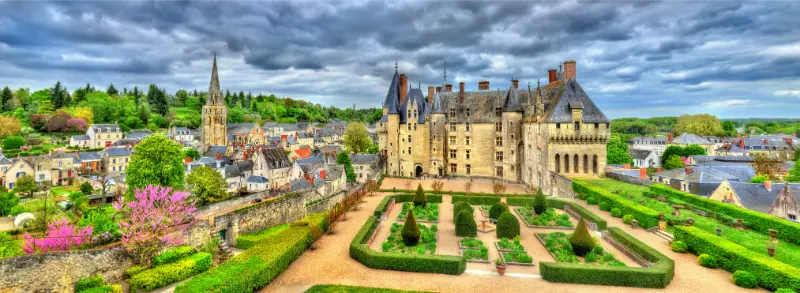
There is no single “best” château in the Loire Valley because the famous sites are good for different reasons. Chambord is the choice for scale and architecture; Chenonceau for the relationship between building, river and garden; Villandry for formal gardens; Amboise for royal history in a walkable town; Azay-le-Rideau for intimacy; and Cheverny for furnished interiors. The useful question is not which castle wins, but which two or three fit the trip you are actually taking.
This comparison is designed for travellers who do not want château fatigue. I would rather see three contrasting sites properly than six residences that begin to blur together. The sections below compare the strongest choices by travel style, transport and the amount of time you have.
| Best first château | Chenonceau for a balanced mix of history, architecture and landscape |
| Best for scale | Chambord |
| Best gardens | Villandry |
| Best walkable town combination | Amboise or Blois |
| Best smaller/intimate visit | Azay-le-Rideau or L’Islette |
| Best with children | Rivau, Cheverny or selected family programmes |
If you only visit one château
For most first-time visitors I would choose Chenonceau. The building crosses the Cher, the interiors carry strong stories connected with women who shaped the estate, the gardens are distinct enough to compare, and the visit feels visually different from a conventional palace. It is also reachable by train at Chenonceaux station, which makes it unusually practical for travellers without a car.
The alternative is Chambord if architecture is your main interest. Its scale, roofscape and double-helix staircase produce the most immediate sense of royal ambition. Chambord requires more time and transport planning, however, and the estate can dominate a short day. That is why I see Chenonceau as the more balanced single choice and Chambord as the stronger architecture choice.

Best for architecture: Chambord
Chambord is less about furnished domestic life and more about an idea of royal power expressed through stone. The central keep, terraces, chimneys and staircase make sense when you move vertically through the building rather than rushing room by room. Allow time for the roof because many of the architectural relationships become clear only from above.
Pair Chambord with Blois rather than with several other large estates. Blois gives you an urban evening and a royal château whose wings show different architectural periods. The contrast helps you remember both sites instead of treating them as two stops in the same category.
Best for a complete first-time experience: Chenonceau
Chenonceau combines architecture, interiors, river, gardens and a compact visit better than almost any other headline site. It is famous enough to attract heavy crowds, so timing matters. Early or later slots are usually more pleasant than the middle of a summer day. Do not underestimate the grounds: if you only cross the main gallery and leave, you miss much of what makes the estate distinct.
For a two-château day, Chenonceau pairs more naturally with Amboise or Clos Lucé than with Chambord because the geography is tighter. Our Amboise guide and Clos Lucé guide show how to build that area without excessive driving.
Best for gardens: Villandry
Villandry is the obvious choice when the landscape design matters as much as the house. The ornamental kitchen garden, water garden and terraced viewpoints are not decorative extras; they are the main reason many people visit. Seasonal change is part of the experience, so a repeat visit in a different month can look genuinely different.
If your trip is primarily about gardens rather than architecture, read our best gardens in the Loire Valley comparison before buying multiple château tickets. Chaumont-sur-Loire and Rivau provide very different garden experiences and can be more rewarding for contemporary design or families.
Best for a walkable town day: Amboise
Amboise works because the royal château is integrated into a town where you can eat, walk beside the Loire and continue uphill to Clos Lucé. The Royal Château of Amboise is historically important without demanding a full day, and the views from its terraces explain the town’s position on the river.
This is one of my favourite choices for a traveller using trains. You can arrive, spend most of the day on foot and avoid the feeling that every attraction requires another car park. If you are planning a Paris day trip, Amboise is also easier to shape into a coherent day than a random three-castle circuit.
Best for intimacy: Azay-le-Rideau and L’Islette
Azay-le-Rideau is smaller than Chambord but visually concentrated: pale stone, water reflections and elegant Renaissance proportions. It works well when you want a château that can be understood in a couple of hours and combined with a pleasant town.
Nearby L’Islette offers a very different atmosphere. It is still inhabited, has strong Camille Claudel and Rodin associations, and encourages picnicking and time by the Indre. Combining the two gives a better sense of the Indre Valley than visiting another giant royal residence.

Best furnished interiors: Cheverny
Cheverny is a good antidote to empty monumental rooms. Its furnished interiors make aristocratic domestic life easier to imagine, while the park and seasonal garden displays add enough outdoor variety for a half-day. Families often appreciate the more accessible scale and the Tintin connection, although that separate attraction should be treated as an addition rather than the core château visit.
Cheverny pairs logically with Blois or Chambord because of geography. If you try to combine it with Chenonceau and Villandry on the same day, the driving begins to dictate the trip.
Best for medieval atmosphere: Chinon or Langeais
If Renaissance façades start to feel repetitive, switch period. The Royal Fortress of Chinon offers ramparts, towers and a dramatic position above the Vienne, while Langeais combines a fortified exterior with furnished interiors and the story of the marriage of Charles VIII and Anne of Brittany.
Both are stronger when paired with their towns. Chinon in particular deserves time below the fortress for streets, food and wine. That makes it a better full-day destination than a quick photographic stop.
Best with children
Children do not automatically prefer the biggest château. Sites that break the visit into gardens, animals, costumes, games or outdoor exploration often work better. Rivau is particularly playful because the themed gardens and contemporary artworks create constant changes of scene. Cheverny can work well for similar reasons, and Beauval is a useful non-château day if everyone needs a reset.
Use the Loire Valley with kids guide to alternate demanding heritage visits with outdoor time. A child who enjoys two castles is more likely to remember them than a child taken through five because the adults bought a pass.
How many châteaux should you visit?
For a three-day Loire Valley trip, two or three major château visits are enough for most people. Add a garden, town, wine tasting, bike ride or river activity instead of automatically booking another interior. On a week-long trip, five or six castles can work if they are spread across the itinerary and genuinely different.
A useful pattern is one monumental site, one intimate residence, one garden-led estate and one medieval fortress. That mix might be Chambord, Azay-le-Rideau, Villandry and Chinon. Another traveller might prefer Chenonceau, Cheverny, Chaumont-sur-Loire and Langeais. The right combination depends on interests rather than fame.
Common château-planning mistakes
- Choosing sites only by fame and ending up with three similar experiences.
- Ignoring travel time between estates and losing the middle of the day in the car.
- Booking every morning and afternoon before checking garden size and last-entry times.
- Skipping towns because they do not require a ticket.
- Assuming a château ticket always includes every exhibition, garden area or seasonal event.
Compare accommodation in Amboise on Booking.com
Practical questions
Which Loire Valley château is best without a car?
Chenonceau is among the easiest headline options because the railway station is close to the estate. Amboise and Blois are also strong choices because their royal sites sit inside walkable towns.
Is Chambord or Chenonceau better?
They answer different interests. Choose Chambord for architecture and scale; choose Chenonceau for a more balanced combination of interiors, river setting and gardens.

Can I visit three castles in one day?
It is possible on an organised tour or a tightly planned driving day, but I would normally prefer two contrasting sites. Three often reduces gardens, meals and town walks to rushed transitions.
Which château is best in winter?
Furnished interiors and Christmas programming become more important in winter. Check seasonal closures carefully; the Touraine Christmas programme gives several major sites an entirely different character from late November into early January.
Final planning advice
Start by choosing the experience you want—architecture, gardens, medieval history, furnished rooms, art or a walkable town—and only then choose the château. That simple reversal produces a much stronger Loire itinerary than copying a generic “top ten” list.
Best château for art and experimental landscapes
Chaumont-sur-Loire is the strongest choice if contemporary art and landscape design matter as much as historic rooms. The estate combines a château with installations and the International Garden Festival, so it feels closer to a cultural campus than a conventional palace visit. That makes it ideal after two traditional royal residences. Allow at least half a day and resist the temptation to combine it with another huge garden estate.
Best château for wine-country context
Chinon, Saumur and smaller western estates connect architecture more directly with wine landscapes than the central royal corridor. A fortress morning followed by a responsible tasting day can reveal why the Loire cannot be reduced to Renaissance architecture. If wine is a priority, use Chinon or Saumur as a base and let the château visit anchor the destination rather than treating it as a side trip from Tours.