
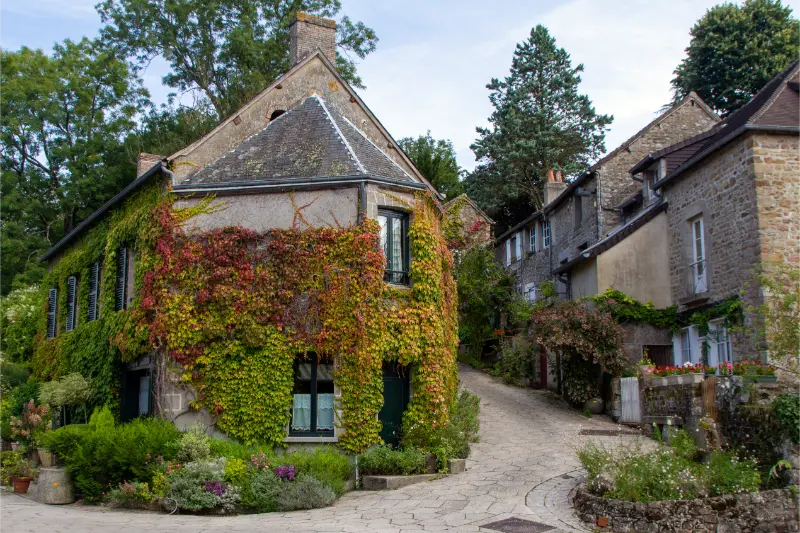
Winter changes Normandy more than it simply cools it down. Seaside resorts become quiet, Mont-Saint-Michel and Étretat can feel dramatically less crowded, museums become more important and the rhythm of the trip shifts toward long lunches, markets and shorter daylight. It is a good season for travellers who value atmosphere and lower pressure, but only if they accept that some rural attractions reduce opening days. This guide includes a realistic five-day route and current 2026 festive information.
Useful related guides: Rouen · Caen · Mont-Saint-Michel · Étretat · Normandy road trip. Use them to connect this stop with a wider Normandy itinerary rather than treating it as an isolated pin on the map.
What winter in Normandy actually feels like
Expect damp air, wind on the coast, frequent cloud and short daylight rather than a guaranteed snowy postcard. Temperatures are often moderate compared with inland continental Europe, but wind and humidity can make the coast feel colder than the number suggests. Waterproof footwear, a wind-resistant outer layer and gloves matter more than packing a single very heavy coat.
The advantage is space. Normandy Tourism explicitly promotes winter for quieter iconic sites, easier circulation and often better-value accommodation. A nearly empty beach at Trouville or a misty morning near Mont-Saint-Michel can be more memorable than peak summer—provided you are dressed for it.
Christmas 2026: Rouen and Caen as practical festive bases
For 2026, Rouen’s official Christmas market is scheduled on the cathedral square from 25 November to 27 December, with around fifty chalets and extended weekend hours. Caen’s 2026 Christmas market is scheduled from 28 November to 29 December with roughly fifty chalets spread through the city centre. These dates make the two cities strong winter bases because heritage, food and evening atmosphere are concentrated within walkable areas.
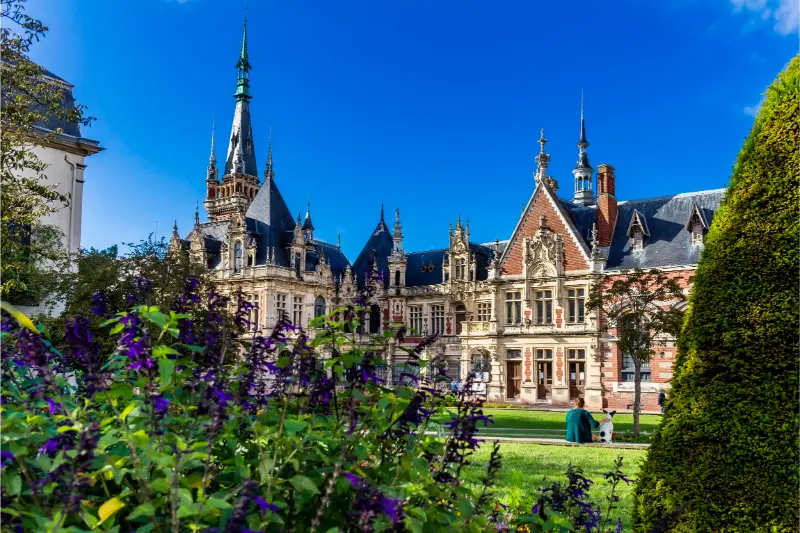
Smaller markets take place across Normandy, but many run for only one weekend. The regional tourism calendar lists dozens of 2026 events; check the exact date before building a detour around a village market. For a first winter trip, I would prioritise one dependable city market rather than chasing several small events by car.
A realistic 5-day winter itinerary
Day 1: Rouen—cathedral, old town, museum or covered indoor stop, then Christmas lights if travelling in late November or December. Day 2: a Seine Valley excursion such as Jumièges if opening hours work, returning before dark. Day 3: train or drive to Caen, with castle or museum time. Day 4: choose Bayeux and one D-Day museum rather than an all-day exposed coastal circuit. Day 5: finish at Honfleur or a resort such as Trouville, using the beach for a short bracing walk and lunch as the real event.
Mont-Saint-Michel can replace the coast if it is a priority, but winter daylight makes a same-day return from the wrong base exhausting. Stay nearby or plan the transport carefully. Keep one day flexible so strong wind or persistent rain can be swapped with an indoor city day.
Winter coast: beautiful, but not casual
Étretat, the Cotentin and the D-Day beaches can be spectacular in winter, yet exposed cliffs and shorelines demand more caution. Strong wind, wet paths and early darkness turn a normal summer walk into a different activity. Do not approach cliff edges for a photograph, and do not assume a coastal path is safe simply because other people are using it.
For a gentler winter sea day, choose a resort with a promenade, cafés and easy parking. Trouville, Cabourg, Dieppe and Granville give you a clear retreat if weather worsens. A 45-minute walk followed by seafood or hot chocolate is often a better winter plan than a heroic four-hour hike.
Museums, food and the pleasure of slower days
Winter is the season to lean into Normandy’s indoor strengths: Rouen’s museums, the Mémorial de Caen, Cité de la Mer, castle interpretation and cathedral interiors. Check weekday closures because low-season schedules matter more. Book major restaurants for weekends, but keep lunch flexible enough to absorb weather changes.
Food feels particularly suited to the season: cheese, cream sauces, seafood, apple desserts and cider-based cooking are comforting after a cold walk. If drinking cider or Calvados, keep the driver alcohol-free. Winter rural roads deserve full attention, especially after dark.
How long to stay and how to pace the visit
Five days is enough for one city pair plus a coast or heritage excursion. Seven days lets you add Mont-Saint-Michel or the Cotentin without turning every daylight hour into transport. In winter, fewer bases are better because check-in and driving after dark consume a larger share of the day.
Winter travel around Normandy requires planning the light before the sightseeing list. In December the day is short enough that a coastal detour can consume most of the useful afternoon; enjoy an open-air stop early and reserve a museum, warm lunch or city stroll for later. Rouen and Caen work as sensible bases because they offer indoor alternatives and evening services even when a rural attraction closes. Choose a route that can be shortened if the coast is windy or roads are wet, and check opening times for the exact weekday. One atmospheric harbor, an excellent meal and a carefully chosen historical visit can make a stronger winter day than a hurried attempt to see every famous view.
Getting there and getting around
Rail travel between Paris, Rouen and Caen is attractive in winter because you avoid dark-road fatigue. A car is useful for abbeys and rural coast, but build generous margins and check weather before long evening drives. Keep fuel or charging stops simple rather than leaving them to chance in small villages.
Winter itineraries are easiest when you use a rail-connected city as the main base. Rouen offers historic streets, cathedral views, restaurants and museums within a compact urban stay; Caen gives access to the memorial and a different side of Normandy’s history. If you want Honfleur, the Alabaster Coast or an abbey in the countryside, treat local buses and daylight as real constraints or rent a car for those specific days. A vehicle is useful but not magic: fog, frost and heavy rain can make rural lanes slower, and an attractive coastal road might add little on a grey afternoon. Choose accommodation that allows a warm evening meal on foot rather than assuming every seaside town will have abundant open restaurants in January.
Best time to visit
For Christmas atmosphere, late November through December is the obvious window. January and February are quieter still and can offer excellent value, but festive events disappear and some attractions close for maintenance. March starts to regain daylight while still feeling off-season.
November and December have a different appeal from January and February. The festive season can bring illuminated streets and holiday markets, but dates and stall locations should be checked against the actual year’s municipal calendar; they are not guaranteed on every evening. January often means especially quiet seafronts, shorter attraction hours and more frequent midweek closures. February can still be chilly and wet but is rewarding for uncrowded city museums and atmospheric harbors. Plan outdoor visits near midday when light is strongest and reserve flexible time for the forecast. Normandy’s winter charm lies in a few deliberate stops, a seafood lunch or a good museum, not in trying to reproduce a summer road trip under shorter daylight.
Normandy in winter with children
Families should choose one outdoor winter activity at a time and have an indoor backup ready. Christmas markets, aquariums and castles can work beautifully; long exposed coastal days are harder with small children. Pack spare gloves or socks because wet cold ends family enthusiasm quickly.
With children, make the winter city your anchor and keep coastal exposure brief. In Rouen, combine the old streets with an indoor museum or a bakery stop; in Caen, choose one history visit appropriate for the children’s ages rather than a full day of solemn exhibits. Pack waterproof boots, gloves and spare socks, especially if you plan to see the beach or Mont-Saint-Michel in windy weather. Holiday lights can be enchanting in December, but young children may be tired by the time they begin; choose accommodation near the evening activity. A family could enjoy a winter beach for 20 minutes and still have an excellent day if a warm café and an indoor alternative are planned in advance.
Accessibility and mobility
Wet cobbles and reduced daylight can make mobility more difficult even in places that are accessible in summer. Choose central accommodation, minimise evening transfers and confirm lifts or accessible entrances at museums rather than improvising in bad weather.
Rain-slick cobbles, uneven quays and coastal wind require a different accessibility plan in winter. The compact center of Rouen has some pedestrian areas, but historic surfaces and occasional gradients still matter; choose a hotel with confirmed step-free access, not simply an ‘accessible’ label. In smaller coastal towns, public toilets, buses and open cafés may be scarcer outside the summer season. Drivers should ask about nearby parking and whether it is covered, since repeatedly crossing wet streets can be tiring for travellers with reduced mobility. Do not force a cliff viewpoint onto the plan on a stormy day. A sheltered harbor view, museum or accessible indoor attraction can provide a richer experience with far less risk.
Common mistakes to avoid
- Building a summer-style 12-hour sightseeing day despite winter daylight.
- Assuming every rural attraction keeps normal opening days in January or February.
- Driving cliff roads or walking exposed paths in severe wind because the site is “famous”.
- Booking a small Christmas market without checking that it runs on your exact date.
- Adding a distant stop simply because the driving time looks short on a navigation app.
- Assuming small museums, abbeys or visitor centres are open every day and through lunch.
- Choosing accommodation only by headline price and ignoring parking, station access or the need to drive to dinner.
- Treating rain as a failed day instead of reordering outdoor and indoor activities.
Where to stay
For current availability, compare winter stays in Normandy on Booking.com. I would prioritise a base that matches the way you are travelling: walkable centre for a town stay, easy parking for a road trip, or direct station access if you are car-free. A cheaper room 20 minutes away can cost more in time and transport than it saves.
Winter rewards central hotels: being able to walk from a museum to dinner without returning to the car is worth paying for. In Rouen and Caen, a station-or-centre base also makes bad-weather plan changes easy.
Tours and activities
A winter guided tour works best when the guide understands what is actually open and how to adapt to weather, rather than offering a fixed summer-style circuit. A short walking tour in Rouen may connect the Gothic cathedral, medieval lanes and the city’s literary associations, with stops to warm up. A specialist D-Day trip from Caen can be valuable in the off-season, but verify museum closures and allow for shorter daylight at coastal memorials. Avoid committing to non-refundable outdoor experiences long before a December or January forecast is available. Travellers interested mainly in food may enjoy a market or culinary visit in an active town more than a coach tour through shuttered beach resorts.
A final planning note
Before a winter visit, confirm each attraction’s actual December-to-February hours and do not rely on a summer listing. Holiday markets in Rouen and Caen publish calendars for individual years, while museums may close on public holidays or selected weekdays. For regional suggestions, start with Normandy Tourism, then follow the local institution’s current information. Coastal weather reports are more important than attractive photographs of a sunny winter afternoon, especially around cliffs and exposed beaches. Carry a flexible plan that allows an outdoor stop to become an indoor one without abandoning the day. Winter rewards travellers who value quiet and atmosphere, but it does not reward careless scheduling.
Winter Normandy is a different trip, not a discounted summer version. Embrace the shorter days, choose fewer places, eat well, walk the coast when conditions are kind and use the region’s cities and museums when they are not.