
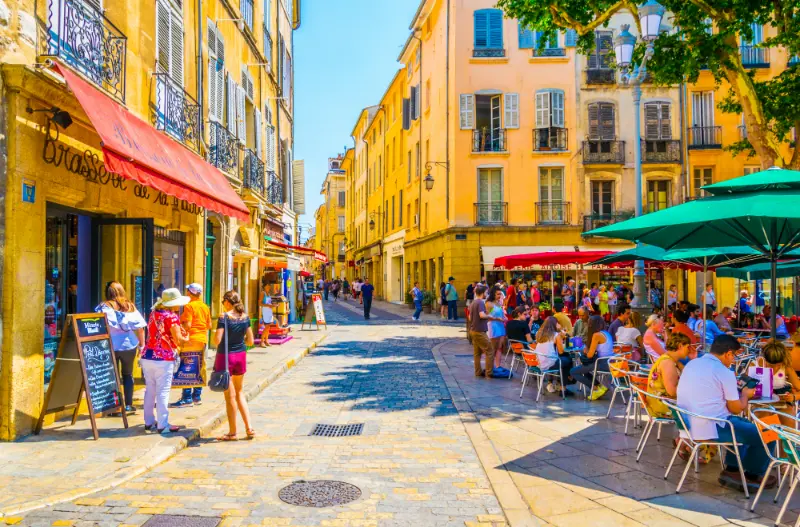
A Provençal market is not one attraction repeated in different towns. Some markets are mainly food-focused, some mix household goods and textiles with produce, some are tourist events and others remain closely tied to local farmers. The best market for your trip depends on the day of the week, where you are staying and whether you want breakfast ingredients, antiques, crafts or a complete morning experience.
The practical rule is simple: build the itinerary around one market instead of trying to “fit in” a market before several villages. The Provence travel guide becomes much easier to plan when market mornings are fixed first and sightseeing fills the remaining days.
L’Isle-sur-la-Sorgue: Thursday and Sunday
The official L’Isle-sur-la-Sorgue listing gives market hours of 7:00 to 13:00 on Thursday and Sunday throughout 2026, except 1 January and 25 December. The Sunday market is the famous one, with around 230 exhibitors and the added pull of the antiques trade.
Use the dedicated L’Isle-sur-la-Sorgue guide for parking and antiques strategy. Arrive early if you want produce and photographs; arrive later only if you are comfortable with crowds and a longer parking search.
Apt: Saturday morning
Vaucluse tourism lists the Apt market on Saturday from roughly 9:00 to 13:00. Apt is a useful choice because it is a functioning town at the centre of the Luberon rather than a small village transformed by one weekly event. See the broader Vaucluse market directory for current listings.
Apt works particularly well if your accommodation is in the eastern or central Luberon. Buy picnic supplies, then leave the afternoon for a village or ochre landscape rather than trying to browse another large market elsewhere.
Lourmarin: Friday morning
Lourmarin holds its weekly market on Friday from 8:00 to 13:00 in 2026. In the warmer season it is one of the larger market experiences in Vaucluse, mixing food with textiles, crafts and other goods.

The village is attractive enough to justify staying after stalls close. Visit the château, have lunch and let the parking pressure fall before driving onward. This is a better day than leaving at 11:30 with everyone else.
Avignon and Les Halles
Avignon gives you a different market type: Les Halles is a covered food market in a major city. That makes it more resilient to weather and easier to combine with museums and monuments. Use the Avignon guide to fit a food stop around the Palais des Papes rather than crossing the city repeatedly.
Covered markets are also useful when your trip falls outside peak village-market season. You still get produce, cheese, charcuterie and prepared food without needing a car or a weekly rural schedule.
Producer markets versus general markets
A farmers’ or producers’ market is different from a general Provençal market. The focus is more directly on food grown or made locally, while a general market may include imported clothing, household products and souvenirs beside excellent food stalls. Neither is automatically better; know what you want.
Velleron’s agricultural market is a well-known seasonal example, while several villages run evening producer markets in warmer months. These can be ideal if you want to cook at a rental property because the timing aligns with dinner shopping.
What to buy
Look first at what is actually seasonal: tomatoes, melons, stone fruit, strawberries, asparagus, mushrooms or truffles depending on the month. Then add products that travel well, such as olive oil, honey, herbs, tapenade, nougat or some packaged cheeses. Ask before touching produce; market etiquette varies by stall.
If you are flying home, check customs and airline rules before buying fresh food, liquids or glass bottles. A beautiful jar of oil is less useful if it is confiscated at security or breaks in a suitcase.
How to judge a stall
A busy stall is not automatically local and a rustic sign is not proof of origin. Ask where products come from, look for clearly identified farms and compare what is in season. Producer markets make origin easier to understand, but even at general markets there are excellent specialists.
Do not feel pressured to buy because a stallholder offers a taste. Sampling is part of the experience, but a polite refusal is fine.
Market timing
Early morning is best for food selection, easier parking and cooler temperatures. The final hour can be lively and sometimes better for bargains, but popular products may be sold out. In summer, 8:00 can feel dramatically more pleasant than 11:30.
If photography matters, be respectful. People are working, not posing. Ask before making close portraits, avoid blocking customers and never rearrange produce for a photograph.
Parking and traffic
Large market days change traffic patterns. Streets may close, temporary signs may redirect cars and the closest parking can fill very early. Follow local instructions instead of a navigation app that may try to route you through a closed square.
The easiest market trips are often the ones where you sleep in the town and walk. This is one reason L’Isle-sur-la-Sorgue, Avignon and Aix can be strong bases even if you plan to drive elsewhere on other days.
A sample market week
You do not need a market every day, but it can help to know the pattern. One example is Thursday at L’Isle-sur-la-Sorgue, Friday at Lourmarin and Saturday at Apt. That sequence can shape a three-day Luberon trip without forcing you to repeat the same style of village.

Check current schedules before travelling because holidays, exceptional events and seasonal markets can alter the normal rhythm. The Vaucluse tourism directory is more reliable for planning than an old blog list copied year after year.
Markets with children
Children often enjoy tasting fruit, choosing picnic food and watching market activity, but large Sunday crowds can be stressful with a stroller. Go early, set a meeting point and keep the visit shorter than an adult shopping session.
Give children a small task — choosing bread, fruit or a picnic dessert — so the market has a purpose. That works better than expecting them to browse crafts for two hours.
Where to stay for market-focused trips
If markets are central to the trip, choose a base with at least one good market you can reach on foot. Compare Provence accommodation on Booking.com.
A rental with a kitchen becomes especially valuable because the best market purchase is often dinner ingredients rather than souvenirs.
Final planning advice
Use markets to set the rhythm of Provence rather than to add another box to a sightseeing list. Pick one strong market morning, shop with a plan, eat what is seasonal and leave enough time afterward for lunch and one nearby place. That is much closer to the real pleasure of a market day than sprinting between stalls before the next château.
Choosing the right market rather than the largest one
A Provence market day can mean several different things. The busy Sunday gathering in L’Isle-sur-la-Sorgue attracts visitors for food and brocante, whereas Apt’s Saturday morning has a strong food-shopping tradition and a different town setting. Lourmarin’s Friday market offers a village atmosphere, but can bring heavy demand for parking. Avignon’s Les Halles is a covered food market with its own routines rather than a weekly open-air village event. Deciding between these experiences depends on whether you want ingredients for a meal, antiques, crafts or simply a lively morning. The most famous market is not necessarily the best match for a short visit.
Check the market’s official municipal or tourism listing close to the date of travel, especially around public holidays, exceptional weather and local events. A weekly schedule does not guarantee the same number of traders year-round. Arrive early if you want good produce selection and easier circulation, but remember that very early arrival may find some stalls still setting up. If you are driving, identify a public parking area before entering the old centre; market closures can make the last few streets inaccessible. You can enjoy a market more when the rest of the day’s itinerary is light enough to absorb a longer-than-expected browse.
Buying Provençal food thoughtfully
Markets are ideal for tasting regional agriculture, but labelling deserves attention. Olives, tapenades, honey, seasonal fruit, cheeses and herbs may come from different producers or traders, and being sold in Provence does not by itself establish local origin. Read labels, ask where a product was made and whether it can travel safely in your luggage. A cheese intended for immediate consumption is not the same purchase as a shelf-stable jar. In hot weather, plan how quickly perishable goods will get to a refrigerator rather than carrying them around a series of hilltop villages for hours.
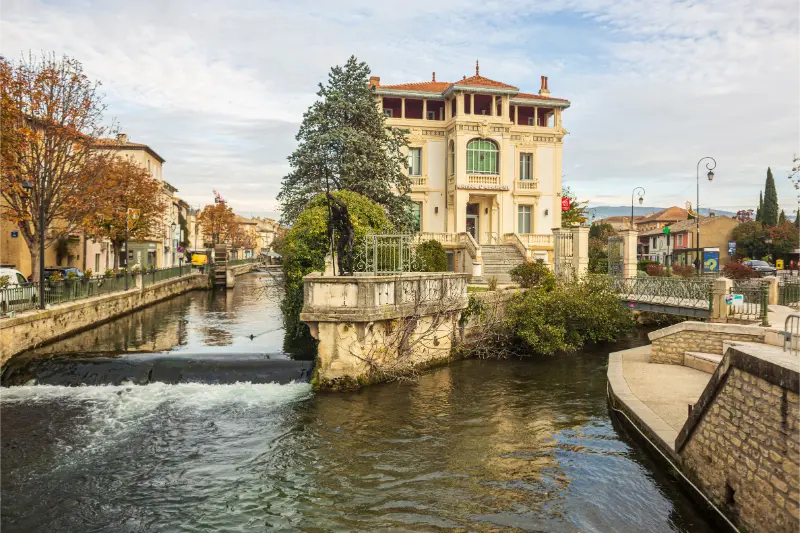
Bring a reusable bag and smaller cash denominations, even though many traders take cards. Do not handle delicate produce without asking, and respect queues where a stall is especially popular. Sampling is a courtesy rather than permission to eat a full snack for free. If you are collecting picnic ingredients, bread and something fresh can be more satisfying than buying a large number of novelty products. Take any packaging away with you and check picnic rules at parks and heritage sites. Shopping becomes part of understanding local food culture when you ask questions and buy what you will actually use.
A market-centered week without needless backtracking
For travellers based in the western Luberon, a sensible week might combine Saturday in Apt with Friday in Lourmarin if the dates fit; L’Isle-sur-la-Sorgue can be a separate Sunday or Thursday outing. These are not stops to visit on the same morning. If staying closer to Avignon, the covered market and the city’s historic centre can give you a food-focused day without committing to a long drive. Group any secondary sights by geography, not solely by the day of the week. Avoid turning a Provence itinerary into a daily dawn departure simply to visit a different market before breakfast.
Travelling with children or mobility limitations changes what counts as a good market. Crowded aisles, uneven paving, sun and limited places to sit can reduce enjoyment quickly. Choose a market with accessible approaches and plan one shaded café break rather than promising several hours of continuous browsing. Check whether your accommodation includes a kitchen if you intend to buy fresh ingredients. Many visitors return with attractive products they have no practical way to cook or store. A successful market day leaves time to enjoy the purchase, perhaps over a relaxed lunch, instead of immediately rushing to another destination.