
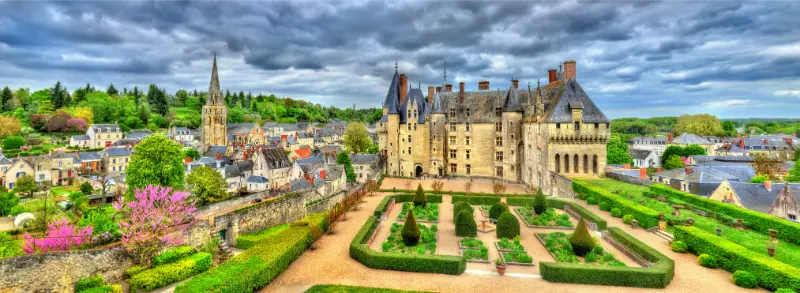
The Loire Valley deserves its old “Garden of France” reputation, but its gardens are not interchangeable. Villandry is about geometry and productive beauty; Chaumont-sur-Loire is a laboratory for contemporary landscape design; Rivau mixes fantasy, art and plants; Chenonceau uses two formal gardens to express competing historical personalities; and Cheverny surrounds a furnished château with parkland and seasonal colour.
A garden-focused trip therefore needs the same selectivity as a château trip. I would choose two or three very different landscapes rather than repeat formal parterres. Season, weather and walking time matter more here than they do for an interior visit, so this guide also explains when each garden is most rewarding and how to combine them without spending the whole day driving.
| Best formal garden | Villandry |
| Best contemporary design | Chaumont-sur-Loire |
| Best for families and playful planting | Rivau |
| Best garden + famous château combination | Chenonceau |
| Best spring/summer colour around a furnished château | Cheverny |
| Allow | At least 2–4 hours for major garden estates |
Villandry: the garden to study from above and at ground level
At Villandry, the gardens are the headline. The ornamental kitchen garden turns edible plants into geometric pattern; other terraces organise water, ornament and quieter spaces. The elevated viewpoints near the château help you understand the design as a whole, but the visit changes once you descend into the paths and see the planting at eye level.
Villandry is especially good for travellers who think they are not “garden people” because the structure is immediately legible. Give it more time than a standard château stop. If you are choosing between a rushed interior and a complete garden circuit, I would protect the garden time.

Chaumont-sur-Loire: the place for ideas, not just symmetry
Chaumont-sur-Loire is fundamentally different. The Domaine hosts the International Garden Festival and layers temporary or evolving garden concepts with contemporary art, historic parkland and the château itself. A complete visit can easily take three to four hours and often rewards a full day, especially if you read the design explanations rather than simply photographing installations.
This is the choice for landscape architecture, experimentation and people who want gardens to ask questions rather than present one perfected historical style. Wear comfortable shoes and do not schedule another major estate immediately afterward. The mental and physical density of the site is part of its appeal.
Rivau: playful gardens that work well with children
The gardens at Château du Rivau use fairy-tale references, sculpture and themed spaces to keep the visit moving. That makes Rivau unusually effective for mixed-age groups. Adults can appreciate plant combinations and contemporary art while younger visitors respond to surprise, scale and narrative.
Rivau also works after several formal château visits because it does not ask you to admire another axis from a terrace and move on. The experience is closer to wandering through a sequence of garden rooms. Give yourself time to get slightly lost rather than navigating it as a checklist.
Chenonceau: two formal gardens, two historical personalities
At Chenonceau, the gardens are inseparable from the château’s story. The Garden of Diane de Poitiers and the Garden of Catherine de’ Medici sit on different sides of the approach and create a useful historical contrast. They are formal, photogenic and manageable without turning the visit into an all-day horticultural excursion.
Chenonceau is therefore the best choice if gardens are important but not the only reason for your day. You still get a major interior and the extraordinary gallery over the Cher. In peak summer, start early enough that you can see the outdoor spaces before heat and crowds flatten the experience.
Cheverny: seasonal colour and a lived-in estate
Cheverny’s park and gardens complement one of the valley’s strongest furnished interiors. Spring bulbs, flowering displays and the wider estate make the transition from rooms to landscape feel natural. The garden experience is less intellectually demanding than Chaumont and less geometrically iconic than Villandry, which can be exactly what a mixed itinerary needs.
Use our Cheverny guide to check how much time to reserve for the château and park together. It pairs particularly well with Blois because the drive is short enough that you do not lose the day in transit.
Other gardens worth adding on a longer trip
Several smaller landscapes deserve attention once you have seen the headline gardens. Chédigny is unusual because the village itself is garden-led; our Chédigny guide explains how roses and public planting shape the streets. The gardens of L’Islette are more relaxed and river-focused, while Domaine de Candé provides a large park rather than a formal horticultural showpiece.
If you are driving through western or eastern areas, look for local “Jardin remarquable” designations and seasonal garden openings. The Loire Valley’s horticultural identity is broader than château estates, and smaller gardens often provide the quietest hours of a busy trip.
Which month is best for Loire Valley gardens?
Late spring brings fresh foliage, roses begin to dominate many displays, and temperatures are usually comfortable for long outdoor visits. June is particularly strong for colour and long daylight, but it is also increasingly busy. July and August give maximum growth and long opening hours, yet midday heat can make formal gravel paths tiring.
September is underrated. Gardens remain productive and full, light softens, and some crowds ease after school holidays. October can be beautiful for foliage and structure, although flower expectations need to be realistic. Winter is more about bones, views and interiors than floral abundance. Our month-by-month Loire guide helps you match season to priorities.

How to photograph gardens without slowing everyone down
The obvious wide view is useful, but gardens become more memorable when you also photograph transitions: a clipped hedge against rough woodland, vegetables beside flowers, reflections after rain or people moving through an arch. Early and later light is kinder to texture than midday sun. At Villandry, include elevated views; at Chaumont, move close enough to show the material choices in individual festival gardens.
Respect roped areas and do not step into beds for a cleaner composition. A photograph is never worth compacting soil or damaging planting. If you use a tripod or larger equipment, check the estate’s current rules before arrival.
Which gardens pair well on the same day?
Villandry and Azay-le-Rideau make a straightforward pair because they are close enough to avoid a day dominated by driving. Give Villandry the longer outdoor slot, then decide how much of Azay’s château interior you want to see. Chenonceau works better with Amboise or its nearby countryside than with distant Rivau, especially if you rely on trains or taxis.
Chaumont-sur-Loire deserves space of its own. The Garden Festival installations are designed to be explored, not glimpsed during a quick stop between two major castles. If experimental design is the reason for your visit, allow a substantial part of the day and keep a second attraction optional. For a family trip, Rivau’s themed gardens can replace another formal estate rather than being a third demanding visit.
Make the planting season part of your choice
The ornamental kitchen garden at Villandry changes visibly as vegetables are planted, harvested and replanted. Roses and other flowering areas have different peak moments, while hedges and terraces hold their structure for longer. At Chaumont, check the current festival calendar: temporary gardens and installations are not interchangeable from one year to the next. In autumn, prioritize foliage, seed heads and the layout rather than expecting spring flower beds.
Paths also matter more than photographs suggest. Terraces at Villandry, the spread-out grounds at Chaumont and gravel at older estates can make a full afternoon tiring. Consider a single large garden for visitors with limited stamina, and confirm the accessible route directly with the estate before buying tickets. A shorter visit with time to sit down often reveals more than another hurried stop.
A two-day garden itinerary
Day one can centre on Villandry and Azay-le-Rideau. Spend the morning in Villandry’s gardens, stop for lunch, then use Azay-le-Rideau for a smaller architectural counterpoint. Day two can move east to Chaumont-sur-Loire and give the Domaine most of the day. This produces two completely different garden experiences.
Families could substitute Rivau for one of those days. Travellers based around Amboise can use Chenonceau plus a shorter garden-focused stop rather than crossing the valley. The key is not to group gardens by fame; group them by geography and contrast.
Garden-visit mistakes to avoid
- Treating gardens as a 20-minute add-on after a long interior visit.
- Expecting the same flowers in April, July and October.
- Scheduling the largest garden estate at midday during a heatwave.
- Wearing unsuitable shoes for gravel, damp lawns or long park walks.
- Ignoring temporary closures after storms or during major events.
Compare accommodation in Tours on Booking.com
Practical questions
Is Villandry worth visiting if I do not care about château interiors?
Yes. Villandry is one of the few major Loire estates where the gardens alone justify the journey for many visitors. You can structure the visit around the terraces, ornamental kitchen garden and seasonal planting.
How long do I need at Chaumont-sur-Loire?
Allow at least three to four hours for the Domaine; a full day is reasonable if you want the château, art and the International Garden Festival without rushing.
Which garden is best with children?
Rivau is a strong choice because themed gardens, artworks and a playful atmosphere create more variety than a purely formal landscape.

Are Loire gardens still worth visiting in autumn?
Yes, particularly in September and early October. Expect foliage, structure and productive gardens rather than peak spring roses. Always check current opening dates for smaller estates.
Final planning advice
A good garden itinerary should show different ways of shaping landscape: order at Villandry, experimentation at Chaumont, play at Rivau, history at Chenonceau and village-scale planting at Chédigny. That contrast is more valuable than trying to see every famous parterre.
Rain does not automatically ruin a garden day
Light rain can deepen foliage colours, reduce crowds and improve close-up photography. The real problems are heavy storms, strong wind, waterlogged paths and closures imposed for safety. Carry a waterproof layer and check alerts rather than cancelling automatically at the first cloud. At a large estate such as Chaumont, you can also alternate sheltered art spaces and gardens when showers pass.
Garden accessibility and fatigue
Formal gardens may look flat on maps but can involve long gravel paths, terraces and repeated level changes. If mobility is limited, check each estate’s current accessibility map and shuttle options rather than assuming “garden” means easy walking. Benches, shade and toilets are not distributed evenly. A shorter complete circuit is better than forcing the full site and having no energy for the town or meal afterward.
How I would fit this into a longer Loire Valley trip
For a longer garden holiday, split your nights between the Tours area and Amboise only if the extra move solves a real travel problem. Otherwise, stay in one base and choose one western and one eastern garden day. You will spend less time packing and more time enjoying the grounds.